
Monday, 12 November 2018

Healthiest Cooking Oils: 7 Oils to Use & 7 to Avoid

A small bowl of plant-based oil. Plant-based oils are some of the healthiest cooking oils you can find.A small bowl of olive oil. Olive oil is one of the healthiest cooking oils you can find.

When it comes to the cooking oil in your cupboard, plant-based oils made from fruit, seeds, nuts, and grains are the way to go. They are a healthier choice than animal fats which have all the health disadvantages of meat. From familiar olive oil to exotic macadamia oil, plant-based oils can be rich and flavorful or light and neutral. You can use them for sautéing, frying, baking, roasting, and drizzling on salad.

However, not all cooking oils are created equal. They all offer different benefits (or detractions) to your health. And, depending on your intended use, some work better for high heat cooking while others are better for low-temperature baking or salad dressings. Here is what you need to know to make the best choices for your health.

Why Using Healthy Oil Is Important

Our bodies require three types of macronutrients: proteins, carbohydrates, and fats. Cooking oil, which is liquid fat, is a convenient source of fatty acids, the building blocks of fats. They help with vitamin absorption, energy storage, and controlling inflammation. You need the right balance of essential fatty acids in your diet. Alpha-linolenic acid (ALA), an omega-3 fatty acid, and linolenic acid, an omega-6 fatty acid, can only be obtained from food — including cooking oils. Ideally, you should consume one omega-3 for every two omega-6s, but most people get about 16 times as many omega-6s than omega-3s.[1]

When choosing a cooking oil, be aware of its smoke point, which typically ranges from 225 to 510 degrees Fahrenheit. When oil is overheated, its taste and nutritional value are altered. If it starts to burn, it releases free radicals into your food and toxic compounds into the air in your kitchen.

Always look for organic, GMO-free oils and avoid dangerous, “partially hydrogenated" (trans) fats. Many conventional cooking oils are extracted from plants with industrial chemicals such as hexane. Cold-pressed oil, extracted mechanically from the plant or seed using pressure, is typically healthier. Some oils are refined so they can better withstand heat, but refinement reduces nutritional value.

One tablespoon of most types of oil contains around 120 calories and 14 grams of fat.

Types of Fats and Oils

The Nutrition Facts label on each bottle of oil lists the content of three different types of fat: saturated, polyunsaturated, and monounsaturated. We need some of each kind, but because of the links between saturated fats and heart disease and stroke, the American Heart Association recommends that you replace most saturated fat in your diet with mono- and polyunsaturated fat.

Saturated Fat

Saturated fat can come from meat, lard, and dairy, as well as some plant sources like coconut and palm. The fat is solid at room temperature. Recent research is showing a role for saturated fat in a healthy lifestyle, but it should still be used sparingly because of its link to poor health. I recommend avoiding animal-based saturated fats completely.

Polyunsaturated Fat

Polyunsaturated fat tends to be higher in omega-6 fatty acids, which is linked to inflammation in the body. Healthier polyunsaturated oil choices contain more omega-3s and less omega-6s. Polyunsaturated oil is less stable than monounsaturated or saturated fat. Polyunsaturated fat can degrade in the body, leading to oxidation and cell damage. These types of fat are not typically used for cooking — especially not at higher temperatures.

Monounsaturated Fat

Oil that's high in monounsaturated fatty acids is a staple of the Mediterranean diet, which has been shown to extend length and quality of life. They tend to be higher in omega-3s than other types of oil and usually solidify when refrigerated.

The Healthiest Cooking Oils

Most cooking oils contain all three types of fat, or at least two, but sometimes people classify them by the type they contain the most of. Here are some of the top oils I recommend for your pantry.

Extra Virgin Olive Oil

Extra virgin olive oil (EVOO) comes from olives and contains mostly monounsaturated fat. “Extra virgin" means it's an unrefined oil in a natural state, not treated with chemicals or heated. EVOO has a rich, distinctive flavor and a smoke point of 375 degrees Fahrenheit. While you can cook with it on the stovetop, other oils may be a better choice for frying or high-heat cooking. Extra virgin olive oil contains the highest amount of health-protecting monounsaturated fatty acids of any oil, along with vitamins A, D, E, K, and beta-carotene. It's rich in polyphenols, a type of antioxidant. Some studies have found that the compounds in EVOO have anti-cancer properties.[2] Refined olive oil is lower quality and loses some of its antioxidants and other nutrients in processing, so stick with EVOO.

Best Uses: EVOO is great for sautéing garlic and other veggies at low heat, and it makes a delicious oil and vinegar dressing for salads. You can also use it in recipes such as pesto and ratatouille.

Avocado Oil

Avocado oil is a monounsaturated fat extracted from the fruit of the avocado tree. It has a mild, buttery taste and a smoke point of 520 degrees Fahrenheit. Studies suggest avocado oil may help prevent diabetes and obesity.[3] Recent research also found that adding it to a meal can boost absorption of antioxidants called carotenoids in food.[4] The low-carbohydrate FODMAP diet, which helps reduce symptoms of irritable bowel syndrome (IBS), makes extensive use of avocado oil.

Best Uses: Because of its very high smoke point, it is good for your highest-heat cooking and frying but can also be used cold in dips or recipes.

Peanut Oil

Extracted from peanuts, this oil is commonly used in Chinese and South Asian cuisine. It has a mildly nutty flavor and a smoke point of either 320 (unrefined) or 450 (refined) degrees Fahrenheit. Peanut oil is rich in monounsaturated fatty acids, and it's also high in polyunsaturated fatty acids and oleic acid, an omega-9 fatty acid. It's a good source of vitamin E — one tablespoon contains 11 percent of your daily requirement. One study found that when people got half their fat intake from peanut oil, their cholesterol levels improved compared with people who ate the standard American diet.[5] Because peanut oil has higher omega-6 fatty acid content, use it in moderation and look for organic varieties.

Best Uses: Refined peanut oil is a go-to for frying and making Asian dishes. Unlike many oils, it doesn't absorb the flavor of the food you cook it in and can be reused.

Flaxseed Oil

Flaxseed oil comes from the seeds of the flax plant. It is a neutral-tasting oil with a smoke point of only 225 degrees Fahrenheit, which means you should not use it for high-temperature cooking. Flaxseed oil has the highest alpha-linolenic acid (ALA) omega-3 content of all oils, plus some fiber and potassium. Studies have shown the omega-3s in flaxseed oil are associated with nearly a 10 percent lower risk of fatal heart attacks.[6]

Best Uses: Use at room temperature in recipes for dips and dressings. Add a teaspoon to a fruit smoothie to boost your nutrition without changing its flavor. Many people take flaxseed oil as a supplement.

Sesame Oil

Made from sesame seeds, this oil has equal amounts of polyunsaturated and monounsaturated fats. Its nutty, fragrant flavor best complements South Asian, Middle Eastern, and African cuisine. It has a smoke point of 350 (unrefined) or 450 (refined) degrees Fahrenheit. Sesame oil has an extremely high antioxidant capacity, meaning it's good at fighting free radicals. Although it has anti-inflammatory properties, it's also higher omega-6 content than some other oils, so use it in moderation.

Best Uses: With its distinctive taste, a little sesame oil goes a long way. It can be a good oil for high heat cooking for people who are allergic to peanuts.

Walnut Oil

Pressed from walnuts, this oil has a rich, nutty taste. Its smoke point is 320 degrees Fahrenheit. It's high in the essential fatty acid ALA and boasts an antioxidant called ellagic acid, which research suggests may be an important nutrient in the fight against cancer.[7] As a good source of important nutrients, including B vitamins, vitamin E, selenium, iron, and calcium, walnut oil may even help stabilize hormone levels.

Best Uses: Walnut oil's flavor and texture make it good for low heat uses such as baking, marinades, dressings, or atop whole-grain pasta.

Coconut Oil

An integral part of tropical cuisine, coconut oil is extracted from coconut flesh. You can buy unrefined extra virgin coconut oil or refined coconut oil for a more neutral flavor. Its smoke point is 350 (unrefined) and 450 (refined) degrees Fahrenheit. Studies have found that, despite being 92 percent saturated fat, this oil has excellent health properties. For starters, it boosts your body's "good" HDL cholesterol, and is rich in lauric acid — a medium-length long-chain fatty acid that resists harmful organisms, boosts metabolism, and protects brain health. Coconut oil contains medium-chain fatty acids (MCFAs), which make it easier to digest than other types of oil. On the other hand, coconut oil does raise "bad" LDL cholesterol more than unsaturated oils but less than butter.

Best Uses: Coconut oil is extremely versatile. Use the unrefined oil with the coconut when making Thai or Indian food. You can use coconut oil for frying, sautéing, baking, to grease pans, and many other uses. Some people consume a teaspoon on its own as a health supplement or add it to their coffee.

Cooking Oils to Avoid

The following oils should never find their way into your shopping cart.

Soybean Oil

Most soybean oil is made from genetically modified (GMO) soybeans. GMO soybean oil is rife in packaged foods — which is another reason to avoid those. Soybean oil also messes with your metabolism: A recent study suggests that, compared with coconut oil and sugar, soybean oil caused more obesity and diabetes in mice.[8]

Corn Oil

More than half of corn oil is polyunsaturated fat, and it also contains a high proportion of omega-6 fatty acids. Most corn oil is extracted with hexane, a toxic chemical solvent that may end up in the final product. Last but not least, most corn oil comes from genetically modified corn, which you should avoid altogether.

Canola Oil

Although it is polyunsaturated, most canola oil is genetically modified. Not only that, canola is heavily processed and extracted with hexane, which may contaminate the cooking oil. High heat is used during processing, which turns polyunsaturated fats rancid — or into dangerous trans fats. One study found that 0.5 to 4 percent of the oil in soybean and canola oil being sold had turned to trans fats.[9]

Palm Kernel Oil

This oil is as bad for you as it is for the tropical forests, which are being cut down for palm plantations. Not only does it have more grams of fat per serving than other oils (22 grams vs. 14 grams), but it also consists almost entirely of saturated fat. Like soybean oil, palm oil is found extensively in packaged foods.

Cottonseed Oil

Made from seeds of the cotton plant, which aren't edible, this polyunsaturated oil can contain residue of chemical fertilizers and pesticides used to grow the cotton. More than half of the fatty acids it contains are omega-6, and it's higher in saturated fat than most polyunsaturated oils.

Grapeseed Oil

Not to be confused with rapeseed, which is what canola is made from, grapeseed comes from the seeds left over from wine-making. Although it is polyunsaturated, grapeseed oil also contains high levels of omega-6 fatty acids and is extracted with hexane that can leach into the oil.[10]

"Vegetable Oil"

You might also see products simply labeled as vegetable oil. These contain a mixture of different oils, usually soybean, canola, corn, cottonseed, and other oils that are high in omega-6 fatty acids. While it may be cheaper, avoid anything labeled as vegetable oil because it is, inevitably, processed with toxic solvents like hexane and is not a healthy choice.

Points to Remember

The best cooking oils are fresh, organic, and cold-pressed. They're rich in omega-3 fatty acids and stand up to the level of heat you plan to use. Olive, canola, avocado, and peanut oil are mostly monounsaturated fat and excellent choices. Sesame and walnut oil are also excellent choices for cooking. Flaxseed oil, which is high in omega-3 fatty acids, is a good option for low-temperature uses, like salad dressing. Coconut oil contains mostly saturated fat, but its lauric acid content provides health benefits including boosting “good cholesterol."

Steer clear of hydrogenated oils — such as what you find in margarine or many packaged foods — because they contain dangerous trans fats. Avoid soybean, corn, palm kernel, cottonseed, canola, and grapeseed oil which likely contain GMOs or are extracted with harsh chemical solvents.

The post Healthiest Cooking Oils: 7 Oils to Use & 7 to Avoid appeared first on Dr. Group's Healthy Living Articles.


source https://www.globalhealingcenter.com/natural-health/healthiest-cooking-oils/

Saturday, 10 November 2018

These are the Best Natural Deodorants of 2018

Given that LPN was one of the very first natural beauty resources online (I started it up back in 2010, some years before the green/nontoxic beauty boom) I have had my fair share of trials and tribulations with natural deodorants. Everything from the baking soda rash to stains to not working and so on. Thankfully the green beauty space has been evolving and I am so in love with many products these days – instead of just a few brands, so I have a few to share with you. Today I’m digging into the essentials: the Best Natural Deodorants of 2018. Here are my picks. 

The Best Natural Deodorants of 2018: Soapwalla Deodorant Cream

This was the first natural deodorant that was pure, and really, really worked. I talked about it some years back and I’m still a big fan. What I love is that it works on the bacteria so there is no smell (even after the longest of days), and no stain on my shirt. It is all natural, powerful and comes in different essential oil-scented cremes.  The one tiny drawback is the application, using your fingers is not always ideal when you’re traveling.

Some people have a reaction to the level of baking soda in the original, so they kindly launched a baking-soda free version of this cult favourite, that instead uses charcoal and clay (bacteria killers and absorbers). For transparency, I haven’t tested that product, but you can find it here. *Sidenote, one of my tips for using baking soda deodorants is to shave in the evening so that application is not on freshly shaven skin or, if necessary to shave, you can use apple cider vinegar mixed with a bit of warm water and a washcloth before application to prevent reactions. 

Find the original Soapwalla magic here. 

The Best Natural Deodorants of 2018: AER by Vapour Organic Beauty

What I love about this product – yes, effective, yes, smells great, yes, no stains, but also that it brings back a little nostalgia for me: my love of gel deodorants when I was young. I remember when I was “old enough” to start using deodorant and I was so proud to buy my gel deodorant from the pharmacy (weird, maybe, but nostalgic none the less). It twists up beautifully, with the added benefit that it isn’t cold. 

AER deodorant is amazing as it’s gel form turns into powder on the skin, while still effectively combatting bacteria. It is baking soda-based, so sensitive skin beauties be mindful – I’ve never had irritation with AER’s, but have had with other brands. 

The Best Natural Deodorants of 2018: Holi (Rose) No. 4 Deodorant from Agent Nateur

When it comes to luxury and deodorant, this is my favourite. Agent Nateur’s No. 4 with includes rose and sandalwood, which make for a beautiful blend that I am more than happy to apply to my underarms. What’s special is Sandalwood is a natural pheromone making it a natural deodorizer. Baking soda is again the key ingredient for deodorizing, but also castor oil, while it smoothes and conditions, is also antibacterial. 

My last two deodorant purchases were this one, and I will shop Agent Nateur’s No.4  again. Find it here. 

The post These are the Best Natural Deodorants of 2018 appeared first on Living Pretty, Naturally.


source http://livingprettynaturally.com/best-natural-deodorants-2018/

Friday, 9 November 2018

How to Quit Smoking: An Easy Six-Step Guide

A woman practicing deep breathing outside. Deep breathing can fight cravings when trying to quit smoking.A woman practicing deep breathing outside. Deep breathing can fight cravings when trying to quit smoking.

For smokers, quitting is — by far — the most important step you can take to improve your health as well as that of your family. Maybe you're worried about the harm cigarettes have caused your body, concerned about the effects of second-hand smoke on those around you, or feel like your tobacco use comes at a high cost. Whatever your motivation, remember that quitting smoking is a journey that requires a plan of action — making the firm decision to quit is the first step on your path to better health.

Six Steps to Quit Smoking for Good

There are many effective ways to quit smoking, and while no one method works for everyone, following these steps can help you along your path to living a smoke-free life.

1. Pick a Quit Date

After you set a date, add it to your calendar to help you stick to it. Select a date that gives you enough time to build the confidence and willpower you need to successfully quit, but not so far ahead that you may start second-guessing your decision.

2. Remove All Nicotine Products

The night before your quit date, get rid of your cigarettes and any triggers, such as lighters or ashtrays, that you associate with smoking. Don't tuck them away “just in case". Throw them out to remove any temptation and reinforce the reality of your decision. Also, clean your home, your car, and any other places where you've smoked in order to remove the smell of cigarettes.

3. Get Quitting Aids (If You Need Them)

Nicotine replacement therapies (NRT) like gum, inhalers, nasal sprays, and patches can increase your chances of overcoming your addiction, but you should aim to get yourself off of these eventually.[1] If you use NRTs or quit cold turkey, stock up on oral substitutes like gum and toothpicks to help distract you when a craving hits. Other natural options to help you kick the habit include hypnosis, acupuncture, and support groups.[2]

4. Know Your Smoking Triggers

Cravings are a normal part of quitting smoking. For most people, certain things will trigger an urge to smoke. If you've cleaned everything and removed the scent of smoke, you've already eliminated one common trigger. Consider tracking your smoking habit before you quit, and pay attention to any patterns in your smoking behavior, such as after meals, after sex, or during times of stress. Have a specific plan for each of these situations and have those quitting aids handy.

5. Ask for Support

Having support is crucial to quitting.[3] Friends, family, your doctor or other smokers who have successfully quit can provide emotional support and encouragement. Tell people in your life that you're quitting, and be clear about what you need from them. Do you want a friend to call every day to check in with your progress and hold you accountable? Do you need a friend you can call whenever you want to pick up a cigarette, to talk you out of it, acting as a “sponsor” of sorts? Do you need your family members to remind you of the reasons why you're quitting? Identify what will help you succeed and then ask for it.

6. Stay Busy

When you feel the urge to smoke, do something to distract yourself. Stretch, go for a walk, take a shower, or call a friend. Cravings rarely last more than a few minutes, so any time you feel one coming on, take a moment to do something different. Take 10 deep breaths, chew some gum, or take a whiff of peppermint essential oil and wait for the craving to pass.

Health Effects Timeline

No matter how long you've been smoking, your body will begin to heal, and your health will improve soon after you quit. You will notice some changes right away, while others become more noticeable as time goes on.

These bodily changes occur after your last cigarette:[4]

  • 20 minutes: Your heart rate and blood pressure return to a normal range.
  • 8 hours: Your body’s oxygen levels return to normal and risk of a heart attack decreases.
  • 24 hours: Your lungs begin to clear out the mucus caused by smoking. Coughing is normal at this stage.
  • 48 hours: Your sense of smell and taste start to return.
  • 2 weeks to 2 months: Your lung function increases up to 30 percent.
  • 1 year: Your risk of heart attack is cut in half.
  • 10 years: Your risk of dying from lung cancer is cut in half.
  • 20 years or more: Your risk of getting heart disease is the same as someone who has never smoked.

Benefits of Quitting Smoking

The health benefits of quitting are the same for all types of smokers no matter your gender, age or how long you've been smoking. Although giving up this bad habit is challenging, the benefits are worth it. Here are the top six benefits.

Reduce Your Risk of Cancer

Along with improving your heart health, reducing your cancer risk is one of the major health benefits of quitting smoking. Smokers are almost 20 times more likely to die of lung cancer than non-smokers.[5] Smoking also increases the risk of other types of cancer, and when you quit, you significantly reduce your risk of developing this invasive and life-limiting disease. Start your journey to better health today!

Lower your Cholesterol

Smoking reduces the amount of high-density lipoproteins (HDL) in your blood, which are the “good" cholesterol that protects against heart disease.[6] HDLs carry bad cholesterol (LDL) to the liver, so it can get flushed from the body. Without HDLs, your risk for arterial plaque buildup increases, leading to heart disease. Research shows that smokers have a 2 to 4 times greater chance of developing heart disease than nonsmokers. So, when you stop smoking, you lower your bad cholesterol which, in turn, decreases your risk of heart disease.[7]

Improve Your Blood Pressure

Every time you have a cigarette, your heart rate and blood pressure rise.[7] Within hours of quitting, both your heart rate and blood pressure return to a healthy range.

Boost Your Immune System

Quitting smoking lowers inflammation in your body, improves circulation, and increases oxygen levels, all of which have a positive effect on your immune system. With a stronger immune system, your body can more easily fight off viruses and other illnesses.[8]

Clearer Skin

Tobacco smoke causes premature aging, including wrinkles and sagging skin.[9] The nicotine in cigarettes constricts your blood vessels, depriving your skin of oxygen and nutrients. Once you are smoke-free, your skin will become clearer and healthier looking.

Taste Buds Improve

Smoking damages nerve endings in your mouth and nose, which dulls your senses of taste and smell.[10] Within just 48 hours of quitting, you will start to notice that food and drinks taste better as the nerve endings in your mouth begin to heal.

Potential Side Effects

While they aren’t side effects per se, your body has become addicted to nicotine, and as it eliminates the poison from your body, you may experience a healing crisis as you adjust to living tobacco-free, particularly in the early stages of your quitting journey. These include:

Nicotine Withdrawal

The drug nicotine is what makes smoking addictive.[11] When you quit smoking, your body will go through nicotine withdrawal as it adjusts to going without. Withdrawal symptoms can last up to two weeks, but you are likely to experience the most difficult symptoms during the first few days.

Hold steady in your determination to live a smoke-free life and know these symptoms will pass.

Inability to Sleep

Nicotine withdrawal can interfere with sleep for a few weeks as your body adjusts, and you may experience bouts of insomnia.[12] Meditate or stretch before bed to relax your mind and body. Reduce your caffeine intake during the day and stay physically active to ensure that you get a good night's sleep.

Irritability

Feeling irritable is a normal part of nicotine withdrawal.[13] Let your family and friends know that you may be a bit grumpy over the next couple weeks as you adjust physically and mentally to this new state of health. Light exercise such as walking, and yoga can help improve your mood, as can meditation and breathing exercises. Aromatherapy with essential oils can work wonders on your mood.

Constipation

Constipation and other digestive issues are normal in the first few weeks after you quit.[14] Drink plenty of water and increase your fiber intake by eating plenty of fruits, vegetables, and whole grains to help your body return to more regular bowel movements.

Increased Appetite

Your body may confuse nicotine cravings for food cravings, causing an increased appetite.[15] This can last for several weeks after your quit. Try eating smaller amounts of healthy foods throughout the day rather than three large meals.

Difficulty Concentrating

For the first two weeks of being smoke-free, you may have difficulty focusing or experience “brain fog."[13] Know this is normal. It can help if you maintain a steady blood sugar level by eating throughout the day.

Fatigue

Nicotine is a stimulant, so when it's gone, you might feel tired.[14] It can take a few weeks for your energy levels to return to normal as your body adjusts. In the meantime, get more rest, exercise (which gives you more energy and helps you sleep), and drink lots of water to flush your system.

Best Tips for Long-Term Success

Even after most of your cravings and nicotine withdrawals have passed, staying smoke-free can be challenging. There are things you can do to avoid slip-ups and set yourself up for long-term success.

Eat Detoxifying Foods

A healthy diet can help you eliminate the toxins that build up over time from smoking. Consume lung-cleansing foods, such as pistachio, plantain leaf, and cayenne pepper. Drinking a cup of ginger root or green tea each day can help flush your body of carcinogens. Limit your intake of processed and fried foods.

Drink Plenty of Water

Drinking water doesn't just keep you well-hydrated, it also breaks down chemicals and flushes them out of your body. This directly helps you eliminate the toxins caused by smoking. Drinking water can also help you combat cravings: hold each sip in your mouth for a few seconds when a craving strikes, or drink through a straw to keep your mouth busy.

Exercise

You can increase your chances of successfully quitting while improving your health by reaching for your gym shoes in lieu of cigarettes.[16] Thirty minutes of exercise each day is an effective way to keep cravings and withdrawal symptoms at bay by boosting your mood and helping you get better sleep.

Breathing Exercises

Deep breathing can help you get through cravings. When a craving hits, inhale through your nose and hold it for a count of five. Slowly breathe out through your mouth for a count of seven. Repeat as many times as necessary to reduce your cravings, stress, and anxiety. Combine this deep breathing either with sitting still in a quiet room or going for a walk outside in nature.

Infrared Sauna

Infrared (IR) saunas help detoxify your body through the use of heat. Just 10 to 15 minutes can work up a vigorous sweat and remove toxins, promote circulation and healing, decrease pain and fatigue, and improve skin tone and elasticity. Be sure to drink plenty of water before and after your sauna sessions.

Do a Lung Cleanse

A lung cleanse is a natural procedure designed to detoxify, cleanse, and refresh the delicate respiratory linings of the bronchial passages and lungs by purging them of accumulated toxins from smoking. A lung detox helps clear out the gunk from your smoking habit.

Try Vitamins & Herbs for Lung Health

There are a number of lung cleansing herbs, such as oregano, eucalyptus, and lungwort, that will provide nutrition for your respiratory system. Various vitamins are available to also support lung health. You can even try castor oil packs for lung cleansing.

Points to Remember

Quitting isn't easy, but it can be done! As you go along your quitting journey, it's important to remind yourself of the reasons why you're quitting, particularly when you feel the urge to smoke. Make a list of your reasons and read them to yourself often to help you stay the course. When you want to quit, put the date on the calendar. Enlist people to help support you, especially friends or family members who are former smokers themselves. Know your triggers — things that make you want to smoke — and eliminate them. Have a plan to distract yourself whenever a craving comes on. Know that when you quit smoking, you are doing the single most important thing for your health and it will immediately increase your health and decrease your risk of disease. Your health will only continue to improve as time goes on from your quit date.

For long-term success, try increasing your physical activity, eating detoxifying foods, engaging in breathing exercises, or performing a lung cleanse. Know that you are not alone. You can speak to your doctor, family, and friends to get the support and resources you need to quit.

The freedom you will experience after you've successfully quit will be incredible. Before long, you will notice you're a healthier, happier version of yourself!

The post How to Quit Smoking: An Easy Six-Step Guide appeared first on Dr. Group's Healthy Living Articles.


source https://www.globalhealingcenter.com/natural-health/how-to-quit-smoking/

Wednesday, 7 November 2018

Omega-3 Fatty Acids: Benefits, Foods, & Supplements

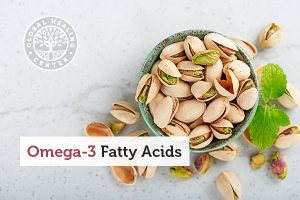
A bowl of pistachios. Pistachios are a great source of omega-3 fatty acids.A bowl of pistachios. Pistachios are a great source of omega-3 fatty acids.

Omega-3 fatty acids are known for their role in brain and heart health but are they all they're cracked up to be? Should you take fish oil to get your daily dose of omega-3s, or should you opt for plant-based options instead? So many questions! If DHA, EPA, and ALA sound like alphabet soup to you, read on — we'll provide clarity.

What Are Fatty Acids?

To begin, let's look at fatty acids in general. Fatty acids are the building blocks of all fats (lipids). Every fatty acid contains an acid connected to a long chain of carbon and hydrogen molecules.

Fatty acids can be saturated or unsaturated. In other words, the long carbon chain is either saturated or "full of" hydrogens, or not. If all carbons are single-bonded to hydrogens, the chain stretches out straight. These straight chains stack up and stick together, forming a solid material — as happens with animal fat or coconut oil — at room temperature. In contrast, an unsaturated fatty acid has double bonds that cause the chain to "kink" or bend. These kinked up chains do not stack up or stick together like saturated fats do, so they stay in liquid form.

What Are Omega-3 Fatty Acids?

That brings us to omega-3 fatty acids. Omega-3s play a critical role in your body, forming part of every cell's structural membranes. They also help brain cells send messages through neurotransmitters and provide energy within the cardiovascular, immune, and endocrine systems, among other functions.

The "omega" represents the tail end of the fatty acid molecule, and the "3" indicates that the last double bond is three carbons from the chain's end. Omega-3 fatty acids are considered polyunsaturated fats.

EPA, ALA, & DHA, Oh My!

Eleven types of omega-3 fatty acids exist, but just three play an important role in human physiology and health: eicosapentaenoic acid (EPA), docosahexaenoic acid (DHA), and alpha-linolenic acid (ALA).[1] Of the three, only ALA is considered an essential fatty acid. This means that your body does not make it and you must get it from food or supplements. Your body can convert ALA to EPA and DHA, making these latter two not "essential" fatty acids, but the conversion process occurs at such a low rate (between 2 and 10 percent) that, for all practical purposes, you need to get EPA and DHA from your diet.[1, 2]

Also, don't confuse alpha-linoleic acid with the other "ALA" which is alpha-lipoic acid, which is not an omega-3 at all. For the purpose of this article, ALA refers to the omega-3.

Omega-3 Health Benefits

As the building blocks of fats in the human body, fatty acids play an integral role in energy storage, brain activity and mental health, heart health and more. Below are the top health benefits that omega-3 fatty acids provide to your body and mind.

Promotes Restful Sleep

Restful sleep is important for memory, focus, and energy levels. Getting adequate DHA, in particular, helps you get better quality sleep — and more of it. One study linked lower blood levels of DHA to poor sleep quality in children. Algae oil DHA supplementation led children to have seven fewer wake episodes and 58 minutes more rest per night.[3] While scientists aren't entirely sure why DHA is so critical to slumber, they hypothesize that lower levels in the brain may interfere with melatonin, a hormone that regulates sleep.[3]

Boosts Brain Health

Omega-3 fatty acids play an important role in brain function, including memory and cognition — the process of thinking. The substance that insulates brain cells and helps them communicate with one another, myelin, is made up of omega-3 fatty acids and proteins. When the body lacks omega-3s, myelin sheaths erode, causing memory to decline.

People with Alzheimer's disease, dementia, multiple sclerosis, and other neurological disorders are often deficient in omega-3 fatty acids.[1, 4] Yet getting enough boosts memory and cognition.[1] While omega-3s are especially helpful in aging individuals, studies show they also improve nonverbal reasoning, logical memory, and working memory in healthy middle-aged adults.[4] Getting enough omega-3s during pregnancy and when breastfeeding — as well as for young children — is essential for proper brain development.

Lifts Your Mood

Omega-3 fatty acids help regulate and even improve your mood. Some studies suggest that omega-3s may help certain mood disorders.[5] Omega-3 supplementation can also help reduce the chance that women going through menopause will become depressed,[6] and can reduce symptoms of pre-menstrual syndrome.[7] Some studies suggest omega-3 supplementation reduces oppositional behavior, restlessness, aggression, and inattention in children with ADHD.[1]

Omega-3 fatty acids, along with the hormone vitamin D, play a role in the synthesis or creation of serotonin, a neurotransmitter that plays a critical role in having a happy mood.[8] Scientists also theorize that omega-3s promote a positive mood by promoting normal levels of homocysteine and inflammatory cytokines circulating in the blood — the same way they improve heart health.[5]

Supports Cardiovascular Health

As mentioned, omega-3s normalize levels of cytokines in the blood, substances that inflame and irritate the body's organs and tissues, leading to poor heart health, among other things.[5] One way that omega-3s help the cardiovascular system is by discouraging too many omega-6 fatty acids from forming, which promote inflammation.[9, 10]

Omega-3 supplements also reduce triglyceride build-up in the blood, which is linked to an increased risk of heart attack and stroke; this is true even though omega-3 dietary supplements actually contain triglycerides![11] Supplementing with omega-3s can help promote normal cholesterol, triglycerides, and blood pressure.[1]

Ensures Eyes Are Healthy

Both your brain and eyes contain high levels of omega-3 fatty acids. But can taking omega-3s improve eye health and vision? The retina — the part at the back of the eye that allows you to see color and light — has high levels of DHA, and studies suggest that taking DHA can prevent retinal degeneration (also called macular degeneration).[12] Studies on human development also show that taking omega-3s — especially DHA — during pregnancy helps ensure an infant's eyes develop properly.[12]

Soothes Joint Tenderness

Because of their anti-inflammatory properties, omega-3 fatty acids may reduce joint tenderness and discomfort, particularly in cases of rheumatoid arthritis, an autoimmune disorder.[1] Omega-3s help so much that they have reduced some patients' need for additional medications.[1] Some studies have looked at how taking omega-3s affects bones, particularly bone density and osteoporosis, but so far the evidence is inconclusive.[1]

Supports Weight Loss Efforts

How can taking a fat supplement help you lose weight? It turns out omega-3 consumption may help reduce appetite and feelings of hunger. In one study, eating a diet rich in omega-3 fatty acids left people feeling fuller up to two hours after a meal.[13] These effects may not apply universally though. Studies have found that omega-3 increased levels of the "fullness hormone" leptin in obese individuals while decreasing it in non-obese people.[14]

Helps You Breathe Easier

An asthma attack occurs when the lungs, trachea, and airways become inflamed, bringing on a hacking, wheezing cough. Asthma attacks may be triggered by allergens, smoke, stress, or even inhaling cold air. By reducing swelling in the body — particularly in the airways and lungs — omega-3 fatty acids may reduce the risk of asthmatic attack.[15, 16]

Normalizes Blood Sugar

Regularly elevated blood sugar is one of the main indicators of diabetes, metabolic syndrome, and other health conditions. When people get metabolic syndrome, they often have high blood sugar, insulin resistance, obesity, high triglycerides, and low good (HDL) cholesterol. Studies show that taking omega-3s improves these symptoms and reduces insulin resistance. In other words, it helps cells take up glucose, preventing too much from circulating in the blood.[17] For other tips, check out our article on natural ways to reduce blood sugar.

Omega-3 Foods

Omega-3 fatty acids are present in a variety of natural foods including leafy green vegetables, nuts, seeds, and beans. Many plant sources contain ALA, while you can get DHA from fish oil as well as algae oil. See the table below for a variety of plant-based sources of omega-3s.

Selected Plant-Based Food Sources of ALA:

Food ALA Grams Per Serving
Flaxseed oil, 1 tbsp 7.26
Chia seeds, 1 ounce 5.06
English walnuts, 1 ounce 2.57
Flaxseed, whole, 1 tbsp 2.35
Black walnuts, 1 ounce 0.76
Refried beans, canned, vegetarian, ½ cup 0.21
Kidney beans, canned ½ cup 0.10
Baked beans, canned, vegetarian, ½ cup 0.07
Bread, whole wheat, 1 slice 0.04

Omega-3 Supplements

Adding omega-3 fatty acid supplement to your daily regimen of vitamins and minerals is a great idea. While the most popular and common omega-3 supplements are fish oil, krill oil, and cod liver oil, many healthcare providers suggest that you avoid fish sources altogether given the rising levels of mercury and other toxic metals now found in many types of cold water fish.[18] Instead, choose vegan, plant-sourced supplements such as algae, micro-algae oil, or flaxseed oil. Most plant sources contain ALA; only algae or micro-algae oil contain EPA, DHA, and ALA.

How Much Omega-3 Should I Take?

Recommended intake levels of omega-3, established by the Institute of Medicine's Food and Nutrition Board vary by age.[1] For children and adults above one-year-old, the intake level is for ALA only since it's the only “essential" omega-3 that you must get from your diet. For non-breastfed infants, the board established values for total omega-3 consumption equivalent to the amount they would receive if breastfed. Breastfed babies do not need omega-3 supplementation.

The suggested intake for an adult man is 1.6 grams (1,600 milligrams or mg), and for an adult woman 1.1 grams (1,100 mg), increasing to 1.4 grams (1,400 mg) during pregnancy. Consult the chart below for appropriate amounts for all ages.

Table 1: Adequate Intakes (AIs) for Omega-3s

Age Male Female Pregnancy Lactation
Birth to 6 months* 0.5 g 0.5 g  
7–12 months* 0.5 g 0.5 g    
1–3 years** 0.7 g 0.7 g    
4–8 years** 0.9 g 0.9 g    
9–13 years** 1.2 g 1.0 g    
14–18 years** 1.6 g 1.1 g 1.4 g 1.3 g
19-50 years** 1.6 g 1.1 g 1.4 g 1.3 g
51+ years** 1.6 g 1.1 g    

*As total omega-3s
**As ALA

Optimal Ratios of Omega-6 to Omega-3

Omega-6 fatty acids (which have their final double bond six carbons from the end of the chain) are found in plant sources like walnuts, sunflower seeds, and corn. Omega-6 fatty acids tend to be associated with inflammation. While inflammation is a normal and necessary reaction to infection, when it persists and creates systemic inflammation, health problems result, reducing overall wellness. Omega-3 fatty acids can counteract the effects of omega-6s by keeping them in balance.

Experts recommend that we get omega-6 and omega-3 fatty acids in a 2:1 ratio, which speeds the body's conversion of ALA to EPA and DHA. However, many people — especially vegetarians — tend to get more omega-6s (in a ratio up to 10:1).[19] Seaweed and algae are the only plant-based sources of EPA and DHA, but you can also eat more plant-based ALA-containing foods or take supplements to optimize this ratio and get it closer to 2:1.

Signs of Omega-3 Deficiency

  • Dry, itchy, scaly skin
  • Brain fog
  • Weak immune system
  • Low energy levels

An omega-3 fatty acid deficiency usually appears initially as dermatitis — dry, itchy, scaly skin.[1] An omega-3 deficiency may also cause brain fog, affecting cognitive function as well as lowered immune system health, and a decline in energy levels. If you are experiencing memory issues, excessive fatigue, or you keep getting colds and other bugs, you may want to consider supplementing with omega-3s.

Omega-3 Side Effects

For the most part, side effects of omega-3 supplementation are mild. They may include nausea, diarrhea, and fishy breath if you take a fish oil supplement, rather than a plant-sourced one.[1] If you take prescription medications, especially anti-coagulant medications, talk with your healthcare provider before taking omega-3 fatty acids to ensure no contraindications exist.

Points to Remember

Not all fats are created equal, and omega-3 fatty acids shine bright, offering significant health benefits. Three fatty acids affect human physiology: alpha-linolenic acid (ALA), eicosapentaenoic acid (EPA), and docosahexaenoic acid (DHA). ALA is an essential fatty acid, meaning the body does not manufacture it and you must get it from outside sources.

All three omega-3 fatty acids play a vital role in the brain, cardiovascular, and immune health, so it is important to make sure you get adequate levels at all ages and stages of life. While you can get omega-3 fatty acids from fish oil, and these are often the most popular supplement, fish is often contaminated with mercury and harvested unsustainably from the ocean. I strongly recommend plant-based sources for optimal health and nutrition, such a flax seed, algae oil, or other dietary sources like nuts, seeds, and leafy vegetables.

The post Omega-3 Fatty Acids: Benefits, Foods, & Supplements appeared first on Dr. Group's Healthy Living Articles.


source https://www.globalhealingcenter.com/natural-health/omega-3-fatty-acids/

Monday, 5 November 2018

Plant-Based Diet: What to Eat, Avoid, Meal Plan, & More

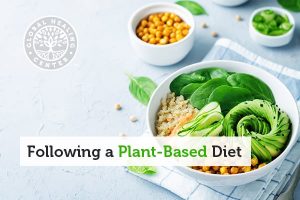
A plant-based meal in a bowl. Plant-based diets incorporate whole, natural vegetables, fruits, nuts, seeds, and grains.A plant-based meal in a bowl. A Plant-based diet incorporates whole, natural vegetables, fruits, nuts, seeds, and grains.

At Global Healing Center, we believe the foundation for health and wellness is a whole food, plant-based diet, with fruits, vegetables, legumes, nuts, and grains that come directly from nature. After twenty years in the natural health industry, I know that eating a plant-based diet that avoids processed and packaged foods — adding in exercise and a positive attitude — will bring you the best results for your health and happiness.[1] As the famous Greek philosopher Hippocrates said, “Let food be thy medicine and medicine be thy food."

I have tried many diets, including raw vegan, gluten-free, fruitarian, and plant-based Keto. Currently, I follow a plant-based diet, focusing on organic whole food. I believe that being too strict in one's diet may lead to some challenges and even unhappiness, so I follow the 90/10 rule, eating strictly plant-based 90 percent of the time, with 10 percent allowed for the occasional consumption of raw goat or sheep cheese, but never meat or eggs. I also engage in intermittent fasting, and of course, regular exercise, meditation, and Global Healing Center supplements to balance out my nutrition.

Quick Tips to Start a Plant-Based Diet

A plant-based diet emphasizes whole, natural vegetables, fruits, nuts, seeds, and grains while minimizing or eliminating animal-based foods. Below are a few tips to make the transition.

  • Keep it simple: choose foods free of additives, preservatives, or a long list of chemical ingredients. Better yet, make everything from scratch.
  • Buy healthy snacks for when you get the munchies — carrot sticks, sugar snap peas, bananas with almond butter, nuts or a homemade trail mix.
  • Replace cane sugar with raw honey, agave, pure maple syrup, or Stevia leaf in recipes or in your coffee or tea.
  • Rotate new vegetables and fruits into your diet to keep your taste buds excited and more importantly, to maximize your nutrient intake.
  • Try a weekly meal prep: set aside a few hours per week to prepare food in bulk so that you always have clean, healthy options on hand.
  • Mind your micros: certain vitamins are harder to get enough of on a plant-based diet (e.g., iron, B-12). Add foods high in those nutrients to your menus, or add in high-quality supplements to reap all the benefits of plant-based eating.

What Is a Plant-Based Diet?

A plant-based diet emphasizes eating anything derived from plants — vegetables, grains, nuts, and seeds — while minimizing or excluding animal-derived products. While some may think a plant-based diet is merely another term for a vegetarian or even vegan diet because all three avoid meat, poultry, fish, dairy and eggs, there's a key difference. Plant-based diets underscore eating whole, natural foods and avoiding processed foods like tofu, seitan, or packaged items — even if they're technically vegan or vegetarian.

Plant-Based vs. Vegan and Vegetarian

Plant-based diets differ from vegan or vegetarian diets in a few key ways. First, let me define the difference between vegans and vegetarians, though. Lacto-ovo vegetarians eat dairy and eggs, while vegans avoid all animal products and also usually avoid purchasing, using, and wearing products made from or tested on animals. Vegans and vegetarians may eat processed foods, like tofu and packaged foods, and, in fact, may not even end up eating a healthy diet if too many of those packaged, processed foods end up on the menu. People eating a plant-based diet, in contrast, eat whole foods in a form as close to nature as possible — vegetables, fruits, nuts, seeds, and the like. Someone following a plant-based diet may choose to eat vegan or vegetarian and may choose either to use animal-based products or not. Some people following a generally plant-based diet may consume some animal products, but it comprises a very small portion of their diet.

Processed vs. Unprocessed Foods

One source of confusion is whether you can eat processed foods on a plant-based diet. Vegetarians and vegans often include processed foods like store-bought pasta, bread, crackers, or processed soy-based meat replacements in their diets. Those foods are not categorized as whole foods and therefore are not a central part of a plant-based diet.

Instead, plant-based diets focus on getting calories from unprocessed, whole foods, rather than processed ones. When eating a whole food plant-based diet, you should also avoid anything with added sugar, although you can eat items — especially homemade recipes — with raw honey, agave, pure maple syrup, and Stevia leaf.

What Should You Eat?

Not all plant-based diets are created equal. When following a whole food plant-based diet, you should try to eat foods in their natural state. Cooked foods or foods made from whole grains are acceptable — like whole grain sprouted bread. Always check the ingredients list and avoid chemicals, additives, colorings, and artificial flavorings. Choose organic whenever possible. If buying organic is too expensive to do with every food, refer to the Environmental Working Group's Dirty Dozen and Clean 15, a list of the worst and best fruits and vegetable for toxic chemicals.[2] Below are some specific foods I recommend for a plant-based diet:

Vegetables

Vegetables should be a large part of any plant-based diet. Some of the most nutrient-dense vegetables include:

  • Leafy greens: Kale, spinach, mustard greens, collard greens, Swiss chard, arugula, lettuce, microgreens (sprouted shoots of various kinds)
  • Cruciferous vegetables: Broccoli, cauliflower, Brussels sprouts, cabbage, radishes
  • Other non-starchy vegetables: Eggplants, bell peppers, avocado, okra
  • Squashes: Zucchini, pumpkin, winter squash, butternut squash
  • Tubers and starchy vegetables: Sweet potatoes, parsnips, cassava, daikon, Jerusalem artichoke, ginger, beets

Fruit

Fruits also form an important part of a plant-based diet, including juices, dried fruit, and fresh fruit. You can drink fruit juice, especially if you juice the fruits yourself or avoid anything with added sugars. But if you choose whole fruits over juices, you'll reap the benefits of heart-healthy fiber. You can also eat dried whole fruits, but if you are looking to reduce your sugar intake or lose weight, limit their consumption. Although you may eat all fruits on a plant-based diet, here is a list of some lower-sugar fruits:

  • Avocados
  • Strawberries
  • Grapefruit
  • Raspberries
  • Blueberries
  • Apples
  • Peaches
  • Oranges
  • Limes
  • Olives
  • Tomatoes

Legumes

Legumes contain loads of macronutrients and micronutrients and are an important source of protein for plant-based eaters.

  • Beans: black beans, kidney beans, lima beans, chickpeas, adzuki beans
  • Peas: green peas, snap peas, split peas, snow peas, black-eyed peas
  • Lentils: red lentils, yellow lentils, green lentils, orange lentils, black lentils
  • Peanuts

Whole Grains

All grains start out whole, but processing strips one or more parts of the seed or kernel, as well as protein within the grain. White flour and white rice are missing both the bran and germ of the grain, and thus many micronutrients as well.[3] Enriched or fortified grains have had previously stripped nutrients added back in — but these are not as healthy as those with their natural nutrients built in. I recommend the following whole grains (which are also gluten-free):[4]

  • Oats
  • Millet
  • Wild or brown rice
  • Amaranth
  • Buckwheat
  • All unrefined flours from these whole grain sources
  • Teff
  • Sorghum

Fats

There are many healthy fats and oils that can form an important part of your plant-based diet. Always look for organic options.

Nuts & Seeds

Nuts and seeds make a great snack on a plant-based diet, and seeds like quinoa can be served like a healthy grain in your meal plans.

Foods to Avoid

To get the maximum benefits for your body, mind, and spirit that eating whole, plant-derived nutrition can provide, eliminate these foods:

Meat

Dairy & Eggs

  • Milk
  • Cheese
  • Yogurt
  • Buttermilk
  • Eggs

Processed Foods

  • Sodas and energy drinks
  • Foods with added sugar
  • Refined flours
  • Hydrogenated oils and trans-fats such as margarine
  • Refined, highly processed oils with high omega-6 levels (soybean, canola, corn, cottonseed oils)
  • Processed "vegan cheese"

Plant-Based Foods to Avoid

Although these are technically allowed on a plant-based diet, I have found avoiding them leads to better overall health and well-being. Limit or avoid the following foods:

  • Corn and white potatoes
  • White rice
  • Grains containing gluten such as barley, rye, wheat
  • Soybeans
  • All genetically modified (GMO) foods

Example Plant-Based Diet Meal Plan

The following meal plan is an example of what following a plant-based diet could look like.

Day 1

Breakfast: Fresh fruit topped with coconut flakes

Lunch: Spinach salad with sliced almonds, olives, and sun-dried tomatoes served with homemade vinaigrette dressing

Dinner: Spicy mushroom stir-fry

Day 2

Breakfast: Oatmeal with fruit and nuts.

Lunch: Quinoa salad with lemon basil dressing; fresh fruit

Dinner: Green lentil salad with spiced carrots; side salad

Day 3

Breakfast: Whole grain sprouted bread with homemade sunflower butter

Lunch: Coconut chickpea curry

Dinner: vegan chili; paprika parsnip fries with lemon cashew cream

Health Benefits of a Plant-Based Diet

Not everyone follows a plant-based diet for weight loss, although that may happen if you continue eating this way. People often start a plant-based diet for health reasons — decreasing your risk of heart disease, diabetes, and obesity, for example — or alternatively, to support a more sustainable planet. Below are some of the benefits you might find after adopting this incredible way of eating.

Lose Weight

Eating a plant-based diet can help you lose weight. An oft-touted fact is that vegetarians generally have a lower body weight than people who eat both meat and vegetables. One review of 15 studies found that people who followed a vegetarian diet on doctor’s orders lost an average of 7.5 pounds. Men who started out heavier, and those who followed this way of eating for a longer period of time lost even more weight.[5] Overweight adults who ate various plant-based diets for six months lost more weight than those who ate meat. Vegans lost twice the weight of pescatarian (people who eat fish but no other meat), meat eaters, and even vegetarians who ate eggs and dairy — and decreased their levels of saturated fats to boot.[6] People on vegetarian weight-loss diets also felt equally full after a meal as those on meat-inclusive diets.[7]

Improve Your Heart Health

Plant-based diets may improve your cardiovascular health by lowering your cholesterol levels and balancing your blood pressure. While diets high in meat, dairy and unhealthy fats may clog arteries,[8] vegetarian diets, in contrast, can lower blood levels of low-density lipoprotein (LDL or "bad" cholesterol). People eating low-carb, high-protein plant-based diets with healthy fats may see even more pronounced heart health benefits.[9] Low-carb vegetarian diets may also lower blood sugar and blood pressure.[1, 10]

Boost Your Energy

Some people following a plant-based diet report feeling more energy and vitality.[11] The more alert you feel, you more you can do the things you love and the more fully you can live your life. One study found that people with osteoarthritis had significantly more energy, greater mobility, and less daily pain after eating a plant-based diet for just two weeks compared with people eating a standard omnivorous American diet.[12]

Make Your Belly Happy

The term microbiome describes the trillions of microorganisms (bacteria, fungi, and viruses) housed within the gut.[13] You can actually shift your microbiome to depression-busting, obesity-fighting probiotics — good microbes — by changing your diet to plant-based foods. Fermented sauerkraut, kimchi, kefir, and non-dairy yogurt are packed with healthy strains of intestinal bacteria that, with regular and diverse consumption, will help shift your microbiome in a positive direction.[14] To feed the probiotics, you need prebiotics — fibers from foods like garlic, bananas, onions, and radishes. A plant-based diet can include all these foods, improving your gut with every bite.

Help Planet Earth

Eating a plant-based diet is gentler on the planet. Rearing livestock leads to deforestation, which not only eliminates wildlife habitat but also worsens climate change by emitting greenhouse gases into the atmosphere. Livestock account for one-third of all greenhouse gas emissions on the planet — more than all global transportation combined — cars, trucks, trains, and planes.[15] Eating meat also exposes humans to bovine antibiotics, hormones, and other unnecessary chemicals. Reducing meat consumption lowers resource consumption.

Nutrients to Be Aware of on a Plant-Based Diet

Eating a plant-based diet has so many benefits that it's hard to believe it could do any wrong. However, when you avoid meat and dairy, you have to make sure you get enough of certain nutrients or you could experience deficiencies.

Protein

According to Harvard Medical School, most vegetarians (and this would include people eating a plant-based diet) get adequate daily protein, so this is not a serious health concern — despite that common but misinformed belief.[16] Many elite athletes and Olympians have trained and competed — and won — while eating healthy plant-based diets. You can get the protein your body needs from plant-based sources including legumes, nuts, and whole grains.

Vitamin B-12

Vitamin B-12 is found only in animal products. If you eat a plant-based diet, you could end up with a B-12 deficiency unless you take a supplement. Research shows that more than half of vegans and 7% of vegetarians are B-12 deficient.[17] Since dairy and eggs do contain B-12, lacto-ovo vegetarians may get enough — or may not. To be sure, all vegans and vegetarians should get their blood levels tested regularly and consume a highly absorbable B-12 supplement.

Iron

Since meat contains high levels of iron, when you avoid it in lieu of plant fare, you could end up with an iron deficiency, which can cause anemia. Some plant foods contain iron, but you may need to seek them out — along with foods that boost iron absorption. Phytic acid, a compound in some plant seeds, can prevent the body from absorbing certain essential minerals such as iron, zinc, and calcium. Phytic acid attaches to micronutrients, preventing the body from using them. Taking the enzyme phytase supplementally can help break down phytic acid in your diet.[18]

Calcium

Most people who eat a plant-based diet tend to get plenty of calcium, especially if you eat calcium-rich dark green leafy vegetables, like spinach and kale. But if you're not a fan of these, or you fall into a category of older women who need more of this mineral, calcium orotate is your best choice with 90 to 95 percent absorption. Calcium should always be taken with magnesium, which further aids its use and absorption in the body. Vitamin D3 is also needed for optimal calcium absorption.

Omega-3 Fatty Acids (DHA)

Although plant-based diets and omnivorous diets tend to have equal intakes of α-linolenic acid (ALA) fatty acids, plant-based diets tend to contain lower levels of two other omega-3 fatty acids: eicosapentaenoic acid (EPA) and docosahexaenoic acid (DHA)[19] which are critical to preventing and managing certain chronic conditions, including coronary heart disease.[20] Make sure you get enough in your diet.

Vitamin D

Vitamin D3 is actually a hormone that maintains strong bones and balances calcium levels in the body, among other things. And while our bodies produce it when exposed to the ultraviolet B rays of the sun, people farther from the equator are often vitamin D-deficient. People eating a plant-based diet tend to have lower levels of D3, since this vitamin is mainly found in fortified, processed foods, like breakfast cereal, juices, and margarine, or soy and cow's milk — all things you'll avoid on a plant-based diet.[21]

Is a Plant-Based Diet Right for You?

There are countless reasons to eat a plant-based diet. For starters, you may lose weight, reduce your risk of metabolic disorders and other health ailments, and you'll steer clear of food additives and chemical preservatives.

I recommend starting slowly. Gradually eliminate dairy and meat over six months to one year. This slow process allows your body to adjust and helps you to avoid side effects, which may include fatigue or weakness due to the initial detoxification process of ridding the body of meat and animal products.

People taking medications should take extra precautions, since diet changes can affect how your body processes these pharmaceuticals.[22] Plus, slowly introducing high fiber-foods like those in the plant-based diet can help offset potential stomach upset that could come from a more sudden shift.[13] If possible, consult your physician and seek the help of a nutritionist before changing your diet.

Points to Remember

A whole food plant-based diet includes fruits, vegetables, legumes, nuts, and grains that come directly from nature and is the foundation for optimal health and wellness. While vegetarians may eat processed and packaged foods, plant-based diets focus instead on eating whole foods, making recipes from scratch, and eating as close to a food's natural form as possible.

Benefits of a plant-based diet include improving your heart health, losing weight, boosting your energy levels, and improving digestion. A plant-based diet is also friendlier to the planet and animals. On a plant-based diet, you may need to seek out certain nutrients, including B-12, iron, and vitamin D. We highly recommend adopting a plant-based diet for your health and well-being, and as the best choice for the environment.

Have you tried a plant-based diet? Share your experience in the comments below!

The post Plant-Based Diet: What to Eat, Avoid, Meal Plan, & More appeared first on Dr. Group's Healthy Living Articles.


source https://www.globalhealingcenter.com/natural-health/plant-based-diet/

Friday, 2 November 2018

Digestive Enzymes: The Answer to Gut Health & Nutrient Absorption

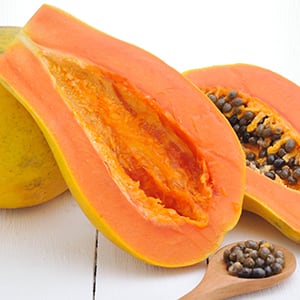
Papaya contains papain, a digestive enzyme, which can reduce swelling and heartburn.Papaya contains papain, a digestive enzyme, which can reduce swelling and heartburn.

“You are what you eat," has never been a more important statement, given the latest science in digestive health. Decades of research has confirmed the role the gut plays in your health. A healthy gut can boost your mood, energize your metabolism, and support a vigorous immune system, among other things. On the other hand, an unhealthy gut may do the opposite.[1] And yet it all comes down to this: you need an ample supply of digestive enzymes to break down food into nutrients the body can use.

Everyone produces digestive enzymes naturally, but some people's bodies do not make enough due to poor diet, chronic conditions, stress, or age. Without enough digestive enzymes, your body can't digest food properly, leading to bloating, gas, constipation, or diarrhea, among other symptoms. If your body can't digest food, you can also end up with lower nutrient absorption, which can lead to deficiencies.

In contrast, having an ample supply of digestive enzymes keeps you feeling vibrant — and wards off health concerns.

What Are Digestive Enzymes?

Before we talk about digestive enzymes, you need to know what the word enzyme means. An enzyme is a molecule that catalyzes — or kickstarts — a chemical reaction in the body by joining a "substrate," by making an enzyme-substrate complex; the enzyme helps the substrate break into smaller by-products.

All foods are composed of different macromolecules: carbohydrates, proteins, and fats (lipids). The body uses enzymes for various purposes, but digestive enzymes specifically work to break down the food you eat. For example, lipases catalyze the breakdown of lipids while proteases catalyze the breakdown of proteins. Various enzymes work on carbohydrates: amylases break down starches (polysaccharides) into simpler molecules, maltase breaks down maltose (a disaccharide unit of two connected sugars) into one-unit simple sugars, lactase works on the disaccharide lactose, and sucrase breaks down sucrose (table sugar) into glucose and galactose. There are more, but those are some of the most important ones.

Besides the digestive enzymes your body makes, you can find them in certain foods, particularly uncooked, raw fruits, vegetables, and honey. If you eat raw pineapple, you'll get a healthy amount of bromelain, a protease which helps break down protein. If you eat raw papaya, it contains papain, another protease with many health benefits. Canning and cooking remove these natural enzymes from fruits.

How Do Digestive Enzymes Work?

In the body, different parts of the digestive tract produce different enzymes. As you start chewing, salivary amylase begins breaking down starches in your mouth. When food reaches your stomach, pepsin, a protease, continues to break proteins down into individual amino acids along with your stomach acid. Other enzymes pitch in too. The pancreas produces many enzymes, including the proteases trypsin and chymotrypsin, cholecystokinin, pancreatic lipase, and pancreatic amylase, and delivers them to the duodenum, the upper part of the intestines.

As food transits through your small intestine, digestive enzymes break it down even further. The small intestines produce lactase, sucrase, and maltase. Together, all of these enzymes and digestive system organs work together, allowing your body to absorb the nutrients it needs to function properly.[2] The rest passes out the body as waste.

Causes of Digestive Enzyme Deficiencies

Certain health conditions may lower your body's natural production of digestive enzymes like:[3, 4]

  • Pancreatitis
  • Cancer
  • Cystic fibrosis
  • Crohn's disease
  • Celiac disease
  • Exocrine pancreatic insufficiency
  • Chronic stress
  • Aging
  • Personal genetic makeup

Popular Digestive Enzyme Supplements

Although their main job involves breaking molecules down into smaller ones, studies have found that digestive enzymes do a lot more. If you're searching for the benefits of digestive enzymes, you probably want to know what taking additional digestive enzymes can do for you — whether you get them from food or prefer a supplement.

You can buy dozens of over-the-counter (OTC) digestive enzymes to help break down different forms of macronutrients. Common and useful ones to look for in a supplement include protease, peptidase, cellulase, hemicellulase, lipase, lactase, pectinase, beta-glucanase, catalase, and phytase. Reference the chart below for what these enzymes can do for you.

Enzyme What It Breaks Down
Protease A general category of enzymes that break down proteins
Peptidase Converts protein subunits, polypeptides, into amino acids
Cellulase Breaks down cellulose found in plant and fungi walls
Hemicellulase Works on hemicellulose, a form of cellulose in plants and fungi
Lipase Catalyzes the conversion of lipids (fats) to fatty acids
Lactase Breaks down the milk sugar lactose (helpful for lactose-intolerance)
Pectinase Works on pectins, a polysaccharide in plant cell walls
Beta-glucanase Breaks down beta-glucans found in grains and fungi like Candida
Catalase Helps convert hydrogen peroxide to oxygen and water
Phytase Breaks down phytic acid, found in grains and seeds

The Benefits of Digestive Enzymes

In addition to helping the digestive process, some enzymes provide additional health benefits. When the digestive enzyme breaks down a molecule, it can prevent oxidative damage, reduce bloating, curb acid reflux, and optimize your nutrition. Here we list some of the best benefits from taking digestive enzymes.

Protection From Oxidative Damage

Catalase can help protect the body from oxidative damage by breaking down hydrogen peroxide into water and hydrogen. If not broken down, peroxides accumulate in the body, and if left unchecked cause DNA damage and inflammation.[5] Wheatgrass, sprouts, leek, onions, and broccoli are all excellent sources of catalase. Some proteases, like papain, also have antioxidant properties.

Relieve Constipation & Diarrhea

If you're having trouble with either constipation or diarrhea, digestive enzymes may help. Bromelain, the enzyme from pineapples, can inhibit the adhesion of bacteria, such as Escherichia coli (E. coli), to receptors in the intestines, which normalizes digestive symptoms like diarrhea.[6] Phytase can also help constipation, diarrhea, and other digestive issues by breaking down the indigestible form of phosphorous, called phytic acid, that's found in cereal grains and seeds.[7] Phytic acid can also hinder mineral absorption in your body. Allowing grains to sprout before eating them — either raw or cooked — can increase phytase activity, making the grains easier to digest.[8]

Soothe Acid Reflux

Lipase, amylase, proteases, and peptidases can help prevent heartburn and acid reflux. Sources of these digestive enzymes include pineapple, papayas, avocados, and fungi — like mushrooms.[9] Taking a digestive supplement that included bromelain along with sodium bicarbonate, sodium alginate, and essential oils significantly reduced acid-reflux-like indigestion. In the formulation, bromelain was the key source of enzymatic stimulation, researchers said.[10]

Halt Gas & Bloating

Studies have found that taking beta-glucan, inositol, and the digestive enzymes lipase, protease, cellulase, and pectinase may significantly help relieve gas, bloating, and abdominal pain associated with irritable bowel syndrome (IBS) — a gastrointestinal problem characterized by bloating, urgent diarrhea, constipation, and lower abdominal pain.[11]

Reduce Redness & Swelling in the Body

Taking the digestive enzymes trypsin and bromelain may help normalize symptoms of osteoarthritis, a degenerative condition where cartilage wears down, causing tenderness, stiffness, and loss of flexibility.[12] Papain and bromelain are sometimes used by doctors to reduce swelling after minor surgeries.[13] Trypsin appears to help reduce redness and swelling by helping modulate cytokines (which rise when pain or inflammation are present).[14]

How to Naturally Boost Your Digestive Enzymes

There are plenty of natural ways to boost your digestive enzyme production or get them from foods. Here are a few we suggest.

Chew Your Food Better

Chewing is the initial action that kicks your digestive juice production into overdrive.[15] The more you chew, the more digestive enzymes you produce. In contrast, the less you chew, the fewer enzymes you produce, which can lead to a number of GI tract problems. Your body is smart and, depending on what you're eating, it produces the specific enzymes needed. For example, rye grain is higher in protein than other grains, so your body releases more proteases as you chew. Whereas with wheat bread, you'll produce more carbohydrate-dissolving enzymes.[16]

Eat Foods With Natural Digestive Enzymes

A number of foods are a great, natural source of enzymes. Some of the best options include:

  • Citric acid foods: Foods such as berries, citrus fruits like lemon and lime, tomatoes, cayenne peppers, Jerusalem artichokes, wine (due to fermentation), and sourdough bread all contain citric acid and trigger saliva production, which, in turn, increases digestive enzymes.
  • Pineapple: This delicious fruit contains bromelain, a popular digestive enzyme with many known health benefits, including curbing acid reflux and relieving constipation and diarrhea.
  • Papaya: Also called pawpaw, this tropical fruit contains papain which can reduce swelling and heartburn.
  • Banana: This fruit contains high levels of potassium, as many people know, and also helps digest complex carbs with the maltase and amylase it contains.
  • Raw honey: Contains several digestive enzymes, including catalase, invertase, and glucose oxidase. Choose raw honey, as processing it removes its natural live enzymes.
  • Avocados: These omega-3-rich fruits contain lipase, which breaks down fatty acids and other fats in the body.
  • Chewing gum: The act of chewing, aka mastication, helps produce digestive enzymes; it also increases gastric acid production.[17] Avoid gum that contains sugar and artificial sweeteners like aspartame or saccharine. Rather, select one that's sweetened with Stevia.

Digestive Enzyme Side Effects & Safety

For most healthy people, digestive enzymes are safe. People with specific conditions might want to consult a health care provider. For example, people with IBS produce high levels of cysteine-protease (an enzyme that breaks down the amino acid cysteine), so you may not want to take more proteases.[18] Research shows that plant-sources of these enzymes may be even better than animal sources because their compounds can survive the acidic stomach environment and get to where they're needed most: your colon.[19] Pregnant or breastfeeding women should consult their doctors before taking these or any supplements.

Digestive enzymes may interact with some medications. Trypsin and bromelain, for example, may have a moderate interaction with the antibiotics amoxicillin and oxytetracycline, respectively. Bromelain may also interact with anticoagulant and antiplatelet drugs.[20] If you have a digestive disorder like IBS or small-intestinal-bacterial overgrowth (SIBO), check with your healthcare provider before using supplementary digestive enzymes.

What Are the Best Digestive Enzyme Supplements?

If you take supplemental digestive enzymes, I recommend you take a variety of different ones to provide a complete spectrum of benefits. Bromelain and papain are popular. However, it's important to get others such as protease, amylase, lactase, beta-glucanase, and phytase. Some digestive enzymes are derived from cows, porcupines, and other animals; however, microbe- and plant-based enzymes operate under a wider spectrum of pH levels and are effective at lower doses than animal-derived enzymes.[19] VeganZyme® is a full-spectrum blend of digestive and systemic enzymes. I recommend it because it's vegan, toxin-free, and provides a comprehensive combination of enzymes.

Points to Remember

From amylase to protease, digestive enzymes make all of the natural foods of this earth available to you — one bite at a time. Your body produces digestive enzymes to help break down the variety of foods we eat. Lipases break down fats (lipids), proteases break down proteins, and various enzymes (amylase, cellulase, lactase, and others) bark down carbohydrates. However, some people do not produce enough, or otherwise, need to take supplemental enzymes to keep digestion function optimal.

Digestive enzymes offer a variety of additional benefits, in addition to breaking down your food and the accompanying gut benefits. Studies have found that they reduce redness, swelling, and irritation in the body, curb acid reflux and normalize gut health. Taking a variety of different enzymes can help ensure that you get the right ones for ultimate health.

Are you taking digestive enzymes? Share your experience in the comments below!

The post Digestive Enzymes: The Answer to Gut Health & Nutrient Absorption appeared first on Dr. Group's Healthy Living Articles.


source https://www.globalhealingcenter.com/natural-health/digestive-enzymes/