Wednesday, 24 October 2018

Dehydrated Kale Chips: Two Tasty Recipes

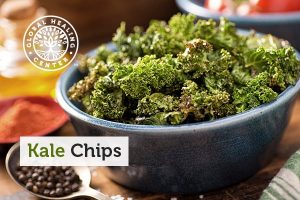
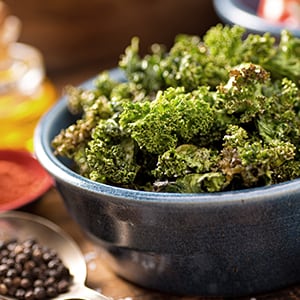
A bowl of kale chips for a healthy, nutritious snack.A bowl of kale chips for a healthy, nutritious snack.

When you eat a plant-based diet, you may miss crunchy, salty snacks, which can be hard to come by with this style of eating. Kale chips may be just the snack to satisfy your cravings. And, not only are they vegan, but they’re also raw, easy to make, and packed full of health-boosting antioxidants. They are delicious and super nutritious — even if you do not stick to a plant-based diet.

Below are two recipes that you can try. I use a dehydrator for totally raw kale chips, which take a few hours to finish. You can use the oven to speed things up (though they won’t be raw).

Cashew Crispy Kale Chips

Crispy kale chips nutrition facts.
  • Prep time: 10 minutes
  • Cook time: 4 to 8 hours
  • Servings: 4

Equipment

  • Food Processor
  • Dehydrator Sheets

Ingredients

  • 4 bunches fresh organic kale (curly leaf kale works best)
  • ½ cup raw organic cashews (not soaked)
  • ¼ cup distilled water
  • ¼ medium organic red bell pepper, chopped
  • 1 teaspoon ripe red jalapeno pepper (remove seed and membrane)
  • Dash of cayenne pepper

Directions

  1. First, wash the kale. You can soak the kale in your sink to remove any chemical residue, adding a little organic veggie wash or a couple of drops of Castile soap. Rinse, and shake the excess water off.
  2. On a cutting board, slice the leafy portions of the kale off the central stem, keeping the leaf portions in big chunks — otherwise, you will end up with tiny crumbs instead of kale chips!
  3. Grind the cashews in a food processor. Add the remaining ingredients and blend until creamy.
  4. Place kale in large bowl, pour the cashew sauce over it and massage with your hands. This will soften the kale and spread the sauce evenly around the leaves.
  5. Divide the kale pieces evenly over the dehydrator sheets and dehydrate until crisp. This takes 4 to 8 hours, more if the weather is humid.
  6. After they’re done, let them cool before storing in an airtight container.

The chips on the bottom tray will finish first, so you can remove them when they're done, and move the other trays down.

Note: If you choose to use the oven, spread kale chips out on baking sheets lined with parchment paper. Bake at 225 degrees Fahrenheit for 15 minutes and then turn the kale, cooking for an additional 5-10 minutes. If baked, they aren’t considered a raw snack.

Herbalicious Kale Chips

Herbed kale chips nutrition facts.
  • Prep time: 5 minutes
  • Cook time: 2 to 4 hours
  • Servings: 4

Equipment

  • Dehydrator Tray

Ingredients

  • 4 bunches fresh organic kale (curly leaf kale works best)
  • ½ teaspoon sea salt
  • 1 tablespoon cold-pressed olive oil
  • 2 tablespoons nutritional yeast
  • 1 tablespoon Bragg’s organic sprinkle herbs & seasoning

Directions

  1. Cut the kale off the stem as in the previous recipe. Put the kale pieces in a bowl.
  2. Add the olive oil, Bragg's seasoning, nutritional yeast, and salt, massaging with your fingers so the oil and herbs cover the kale.
  3. Put the pieces of kale on the dehydrator trays and turn on the dehydrator. These take around 2 to 4 hours.
  4. After they're done, transfer into an airtight glass jar or a zippered bag.

This recipe dehydrates a little bit faster than the first one because it has less moisture than the cashew sauce. Also, the Bragg's and nutritional yeast have a taste that's similar to Parmesan cheese, but different. It’s delicious!

Note: If you choose to use the oven, spread kale chips out on baking sheets lined with parchment paper. Bake at 225 degrees Fahrenheit for 15 minutes and then turn the kale, cooking for an additional 5-10 minutes. If baked, they aren’t considered a raw snack.

What spices and seasonings do you add to your kale chips? Leave a comment below and share your tips with us!

The post Dehydrated Kale Chips: Two Tasty Recipes appeared first on Dr. Group's Healthy Living Articles.


source https://www.globalhealingcenter.com/natural-health/dehydrated-kale-chip-recipes/

Monday, 22 October 2018

9 Natural Remedies for Headaches for Quick Relief

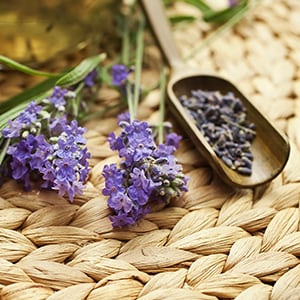
Lavender is a natural way to get rid of a headache.Lavender is a natural headache remedy.

Did you know that headaches are the most common form of pain?[1] Relatively minor and temporary conditions — such as dehydration, stress, the flu, a cold, an ear or tooth infection, or staring at a computer screen for too long — cause most headaches. Others may be caused by underlying medical issues, whether a blow to the head or — rarely — something more serious.

Fortunately, you can ease most headache pain naturally. While over-the-counter medications may alleviate the pain of both chronic and occasional headaches, natural remedies provide relief without the side effects of pharmaceuticals.

The Different Types of Headaches

No two headaches are alike. Head pain can come on suddenly or develop gradually; go away within an hour or last for several days; feel sharp, dull, or throbbing. If you have a migraine, you may see flashes of light, become hypersensitive to noise, or feel nauseous.

Doctors have described two main types of headaches: primary and secondary. Primary headaches result from physical issues. Some examples include altered blood flow to the brain, neck, and head, hormone or nerve activity in your brain, tension in head and neck muscles, or some combination of these factors.

Primary headaches include:

  • Migraines (with or without aura)
  • Cluster headaches
  • Tension headaches

Secondary headaches, on the other hand, are caused by a disease or condition that pushes, pulls, or presses on pain-sensitive nerve endings in the brain. These conditions may cause secondary headaches:

Knowing the causes of your head pain will help you decide which remedy will work best.

Natural Remedies for Headaches

Over-the-counter pain medications such as aspirin, acetaminophen, and ibuprofen tend to be the standard recommendation for alleviating your pounding headaches. But, many natural remedies can eliminate headaches, reduce their intensity, or reduce how often you get them. Consider the following strategies and see what works best for you.

1. Drink More Water

If you suspect that dehydration may be causing your headache, drink up! Consuming about two to three cups of water may help, but it may take 30 minutes to three hours. Research hasn't found that drinking more water can prevent headaches, however. Generally, though, it's important for your overall health to stay hydrated and drink plenty of water throughout the day.[2]

2. Use Essential Oils

Essential oils provide many therapeutic benefits, and both lavender and peppermint essential oils can help relieve headaches. Studies have found peppermint oil to be as effective as acetaminophen (paracetamol) and aspirin for tension headaches.[3]

Apply a couple of drops of undiluted peppermint oil to your temples, making sure to avoid your eye area. If your skin is sensitive, you can dilute it in a carrier like almond or coconut oil. Using lavender essential oil for aromatherapy helps relieve stress and headaches, simply rub some between your hands and inhale. Some evidence suggests that lavender is an effective and safe way to reduce the severity of migraine headaches.[4]

3. Sleep More

If you have a headache, take a nap. But if you get them regularly, you might want to think about how much sleep you get each night: migraine, tension, and cluster headaches are associated with sleep deprivation and other sleep disorders like insomnia. Conversely, while you need to get seven to nine hours of sleep every night, sleeping too much can actually increase headache occurrence.[5] If you struggle with insomnia, natural solutions to better sleep, such as keeping electronics out of your bedroom and setting your bedroom thermostat between 60 and 67 degrees, can help.

4. Apply Heat or Cold

Placing a cold compress on your neck may reduce the pain of a migraine, while heat may be better for tension headaches. However, either may reduce pain and help relieve your headaches, so try both and see which works best for you.

5. Turn Off the Lights

Photophobia, or sensitivity to light, co-occurs with migraines so frequently that doctors consider it diagnostic of them.[6] Blue light, which emanates from cell phones and computer screens, can cause stress headaches as well, so turn off your devices and step away for a while. A solution for photophobia-induced headaches is to go into a dark or dimly lit room for 20 to 30 minutes.[7] While sitting quietly in the dark, it's a great time to quiet your mind and meditate.

6. Meditate & Practice Yoga

Meditation offers a simple way to relax, still your mind, and breathe deeply — all of which reduce headache pain. Whether you are a beginner or you meditate regularly, this quiet practice can calm your nerves, steady the blood flow to the brain, and eliminate tension. Mindfulness meditation reduces the intensity of primary headaches,[8] and yoga can reduce the frequency that people get migraine headaches.[9] Consider learning about the best meditation practices and try different yoga classes to see what style you prefer.

7. Try Acupuncture

Studies found that getting at least six acupuncture treatments reduces the frequency of migraine headaches as effectively as pain medication. A review of multiple studies found that 41 percent of people getting acupuncture had half as many migraine headaches in the months following treatment.[10] Acupuncture also proved more effective than sham acupuncture, a "control" technique used to test for the placebo effect.

8. Use Pressure Points

In acupressure, practitioners push on specific body pressure points for different conditions. You can even perform acupressure on headache pressure points on your own. Try using your right thumb and index finger to press on the loose skin between these same fingers on your left hand. This pressure point is called LI-4 or Hegu.

9. Get a Massage

Since many headaches come from tension in the upper back, neck, jaw, and shoulders, a massage can do wonders. Massage has many therapeutic benefits with few risks. It improves blood circulation while reducing blood pressure, soothing pain, reducing stress and anxiety, and just making you feel good. Add in some lavender or rosemary massage oil for the added bonus of aromatherapy with your massage.

Foods That Help with Headaches

Although some foods are known to cause headaches, others may help prevent or ease a headache. Try the following foods, which are rich in vitamins, minerals, fiber, and other nutrients, next time you have a headache.

Kale & Leafy Greens

Leafy greens such as kale, spinach, chard, and collard greens are foods high in folate. Low intakes of this B vitamin may increase the risk of headaches. Kale is a superfood, one of the most nutrient-rich foods that exist. Kale has healthy omega-3 fatty acids, calcium, and magnesium, all of which help you sleep soundly.

Almonds

People who suffer from migraines may have lower levels of magnesium in their blood serum compared to people who don't get them.[11] Magnesium affects the release of neurotransmitters in the body, and the constriction of blood vessels (vasoconstriction), which can affect headaches.[12] Almonds have naturally high levels of magnesium — one ounce of almonds provides 80 milligrams.[12]

Coffee & Tea

Did you realize that you can find headache relief from a cup of Joe? Caffeine is commonly used in over-the-counter pain relievers, but you can get this same effect from coffee. Between 100 and 130 milligrams of caffeine — the amount in about 8 ounces of coffee — may help ease both a migraine and tension headaches.[13]

You can get the same amount of caffeine from black or green tea. Drinking a hot mug of a relaxing tea, like chamomile or ginger, may also help calm your nerves and reduce head pain.

Apple Cider Vinegar

Organic apple cider vinegar (ACV) is an amazing creation. Not only does it contain a probiotic "mother" that revs up your immune system, ACV gives your digestive system a boost which can help with headaches. ACV also helps normalize blood sugar, which can help because blood sugar spikes may cause head pain.

Supplements for Headaches

The body processes the nutrients in food in a better manner than from supplements. But sometimes, you may lack certain vitamins and minerals because of your diet, and in those cases, you can take nutritional supplements to fill the gaps. These supplements may help with your headaches.

Omega-3 Fatty Acids

Omega-3 fatty acids can reduce the frequency and severity of headaches, as well as promote an overall balanced mood.[14] While fatty fish like salmon, herring, sardines, and tuna are good sources of omega 3s, I recommend avoiding fish sources, instead try looking to flax seed, algae oil, and other plant-based sources of omega-3s.

Vitamin B-12

Some studies have found elevated levels of homocysteine, an amino acid produced by the body, in people who migraines.[15] Some studies have found that supplementing with vitamin B-12 may normalize homocysteine levels in the body, and as a result, may help with headaches, though the studies are inconclusive.[16] Foods high in vitamin B-12 include primarily animal sources, so if you eat a plant-based diet, you may need to take a B-12 supplement.

Magnesium

As mentioned earlier, insufficient magnesium causes blood vessels to constrict, and when that happens in the brain, it can lead to head pain. Studies have found that taking a magnesium supplement can influence blood flow, easing headache tension.[17] A large proportion of people do not get enough magnesium in their diet, so adding the supplement to your daily regime may help.

Riboflavin

Also called vitamin B2, riboflavin in high doses may reduce headache frequency. Scientists had people take 400 milligrams every day for 6 months and observed that cut the number of headaches people experienced from four to two per month.[18] Taking this vitamin also reduced the amount of migraine medication the patients needed to take.

Coenzyme Q-10

Our bodies naturally produce an antioxidant known as CoQ10 or Coenzyme Q, but taking more can serve as a natural remedy for headache.[19] In the body, CoQ10 provides energy to cells, but some people with various health ailments may be deficient in this substance.[20] It may help with headaches by reducing blood pressure in the body.

Feverfew

This herbal supplement may help prevent migraines, but the evidence is inconclusive. The most recent rigorous trial found that taking feverfew caused, on average, 0.6 fewer migraines a month. The study found no major safety concerns with taking feverfew supplements.[21]

Butterbur

Butterbur, a flower in the sunflower family, may help prevent headaches according to the American Academy of Neurology and the American Headache Society.[22] However, unprocessed butterbur plant contains toxic chemicals called pyrrolizidine alkaloids (PAs), so only use supplements labeled and certified as PA-free.

What Causes Headaches?

Now that you know natural ways to eliminate headaches, you may also want to know what causes them, so you can avoid them where possible, especially triggers in your environment. Common causes of headaches include:

  • Skipped meals
  • Stress
  • Inadequate or uncomfortable sleep
  • Neck muscle pain
  • Bright lights
  • Cigarette smoke or alcohol
  • Strong odors, like perfume
  • Certain foods
  • A medical condition

Foods That Cause Headaches

Some people experience headaches after eating certain foods. Common food triggers include:

If you suspect something in your diet may be causing your headaches, keep a food journal. Writing down what you eat and when you eat it can help you identify food triggers, so you can eliminate them from your diet.

Irregular eating schedules can also lead to headaches, whether you miss a meal because you are too busy to eat or because you are fasting. When you are fasting or cleansing, headaches typically go away once caffeine and other toxins are fully eliminated from your bloodstream and your body adjusts.

Genes & Headaches

It's not uncommon for migraines to run in families and some research suggests that migraines are genetic. The authors of a 2013 study of more than 100,000 people published in the journal Nature Genetics identified 12 genetic regions, including five new ones, associated with people's susceptibility to migraines.[23]

Stress & Headaches

Headaches are more likely to occur when you feel stressed. Stress can cause both tension headaches and migraines, and can worsen headaches caused by other issues. Find ways to reduce and handle stress — such as taking breaks throughout the day, exercising, and meditating.

Sleep & Headaches

Too little and too much sleep, as well as sudden changes in your sleeping pattern, may trigger tension headaches and migraines. Both less than six hours and more than eight and a half hours of sleep appear to increase the severity of headaches. Those who suffer from headaches are two to eight times more likely than the average person to have a sleep disorder,[5] so talk to your healthcare provider if you are concerned.

Exercise & Headaches

Common activities associated with exercise headaches include lifting weights and cardiovascular exercise such as running, swimming, rowing, and playing tennis. Avoid exercising outdoors in hot, humid weather or at high altitudes, as both can increase the likelihood of an exercise headache.

Sex & Headaches

For some people, having sex can trigger a headache. Sex headaches may be a dull ache or severe pain, and typically happens immediately before or during orgasm. They occur more frequently in men than women. On the other hand, studies show that sex can actually relieve headaches in some people, at least temporarily, as blood flows away from the head region during orgasm.[24] Sex headaches should not cause alarm unless they linger long afterwards.

Points to Remember

Some simple healthy practices can help alleviate and prevent headaches, whether migraines, tension headaches, or other types of headaches. If you have a headache, natural remedies include drinking water, going into a dark room, and using stress-reduction techniques such as yoga, meditation, and aromatherapy using essential oils. The caffeine within a cup of coffee may also help.

One of the best natural remedies for tension headaches involves relaxing your body and mind, which calms your muscles, reduces your body tension, lowers your blood pressure, and calm your nerves. Get enough sleep — but not too much — and eat foods that help headaches, like kale and almonds. Some supplements reduce the frequency you get headaches, including magnesium, B-12, feverfew, and butterbur.

It can also be beneficial to avoid triggers. Everyone has different triggers, though, so consider keeping a journal to help you identify yours.

The post 9 Natural Remedies for Headaches for Quick Relief appeared first on Dr. Group's Healthy Living Articles.


source https://www.globalhealingcenter.com/natural-health/natural-remedies-for-headaches/

Friday, 19 October 2018

What Is the Paleo Diet: The Beginner’s Guide

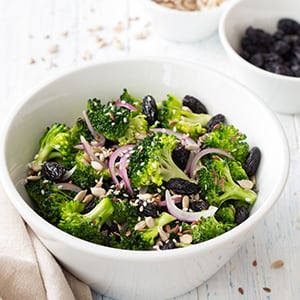
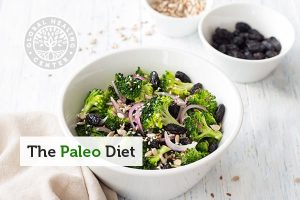
Paleo food consisting of non-starchy vegetables and seeds in a white bowlPaleo food consisting of non-starchy vegetables and seeds in a white bowl

What if you had to spend all day chasing after your dinner or foraging for it in the forest? Proponents of the Paleolithic Diet say you'd be a lot more healthy. Also called the Paleo diet, followers of this eating plan believe that our digestive systems are best adapted to that ancient era when humans ate natural, non-packaged foods, like meats, fish, nuts, seeds, fruits, and vegetables.

In modern times, we eat more dairy, grain, and legumes than our early ancestors. We also consume more sugary, heavily processed, deep-fried, and fast food, which is not good for our health. Some of these dietary changes occurred as agriculture began in earnest, around 10,000 years ago. While that sounds like a long time ago, it's considered the "blink of an eye" in the long history of humankind. As a result, Paleo proponents say, our bodies and genetics haven't yet adjusted. Combine unhealthy food choices with a sedentary lifestyle and it's no wonder that we're seeing an epidemic of obesity, heart disease, cancer, and diabetes in the modern world.

Quick Tips to Start a Paleo Diet

  • Decide which type of Paleo diet you want: strict, basic, or primal.
  • Remove forbidden foods from your kitchen. Start with grains, legumes, dairy, foods with added sugar, and processed foods.
  • Decide what you'll eat at each meal for a week; make a grocery list and purchase needed items.
  • For each meal, choose your protein and vegetables, then add healthy fats such as avocados, nut butter, or olive oil.
  • If you're going to eat meat, make sure it's lean, organic, pasture-raised, or wild-harvested varieties that are sustainably harvested.
  • Select a wide array of vegetables (except starchy vegetables — more on that later), fruits, nuts, and seeds.
  • You can only eat desserts you make yourself; sweeten with agave, maple syrup, dates, or Stevia leaf.
  • Enlist the support of trusted friends and family members.

What Is the Paleo Diet?

The Paleolithic or Paleo diet is a return to a style of eating that resembles what early humans ate. During the Paleolithic Period — approximately 2.5 million to 10,000 years ago — humans subsisted mainly on food that came from hunting or gathering: meat, fish, and insects, plus seasonal vegetables, fruits, nuts, and seeds.

The paleo diet is a low-carbohydrate diet that shuns all cultivated foods such as cereal, grains, legumes, potatoes, milk, and sugar. It was initially created by Loren Cordain, whose research into the health benefits of ancestral, stone-age diets for modern people has appeared in some of the world's top scientific journals.

As more and more people experiment with the diet, they have separated into different groups such as strict Paleo followers, basic Paleo followers and primal Paleo followers.

Strict Paleo: Avoids all cultivated foods including vegetables in the nightshade family such as tomatoes and peppers, as well as cocoa and all sweeteners.

Basic Paleo: Allows sweeteners such as maple syrup and raw honey, most nightshade plants (except for potatoes), and 70 percent dark chocolate or higher.

Primal Paleo: Adds a few more foods onto the basic Paleo diet plan such as white potatoes and white rice in moderation plus fermented dairy. Primal Paleo comes from Mark Sisson's book Primal Blueprint.

What Can You Eat on a Paleo Diet?

Strict, Basic, and Primal are the most well-known Paleo variations, but there are others. One version exists for people with autoimmune diseases, as well as an 80/20 Paleo where 80 percent of your diet is Paleo and 20 percent is not. Those who adhere to the strictest Paleo regimen eat these foods:

Lean Meats

Paleo proponents strongly advocate for organic, free-range, or pasture-raised animals, since that is how our Paleo cousins would have eaten. That means you can eat a variety of grass-fed, pasture-raised lean meats including beef, bison, lamb, chicken, turkey, and pork.

Game

The Paleo diet also allows for hunted game and many Paleo advocates like to hunt. Whether you hunt yourself or buy from a store, you can add venison, elk, quail, duck, rabbit, pheasant, or wild boar to a Paleo Diet.

Fish and Seafood

Paleo followers chose wild-caught fish and seafood over farmed varieties because they have more nutrients. Be sure, however, to choose sustainably-harvested fish and shellfish. The Monterey Bay Seafood Aquarium Seafood Watch program has developed printable guidebooks that show you which choices are best not only for the environment, but also for your health — since mercury contamination occurs in many fish.[1]

Non-Starchy Vegetables

Our ancestors ate large quantities of leafy greens, especially when other foods were hard to find. Many of the vegetables our ancestors ate are similar to the high-fiber, green veggies we consume today, such as lettuce, spinach, kale, and broccoli. These low-starch vegetables are also low on the glycemic index (GI) — an index that tells you how carbohydrate-based foods affect your blood sugar. Some other veggies that you can eat on a Paleo diet include asparagus, green beans, cabbage, and leeks.

Fruits

The Paleo Diet allows all types of fruit. Fruits are full of antioxidants, vitamins, and fiber. It's smart to eat a variety of fruits so you tap into the nutrients and health benefits that different fruits offer. Berries, for example are high in antioxidants, while bananas are high in potassium. While Paleo is a low-carb diet, the glycemic index can help you determine which fruits are best for your specific dietary needs. People looking to lose a lot of weight might avoid fruits altogether, but if you are looking for other health benefits, some high-GI fruits, like watermelon, do not cause spikes in your blood sugar because their glycemic load (GL) is low. Check out our article on the glycemic index and glycemic load to learn more.

Eggs

Eggs, preferably organic and free-range, are a big part of the Paleo diet. Eggs are full of protein, fat, and important nutrients like B vitamins and choline, an essential nutrient. You can hard-boil them and use them as snacks, make them for breakfast in a scramble, or have "breakfast for dinner."

Nuts & Seeds

Our Paleo ancestors ate raw nuts and seeds and that's how you should enjoy them, too. Healthy nuts such as almonds, pumpkin seeds, walnuts, and macadamia nuts are great sources of protein, minerals, and other nutrients. A recent study showed that walnuts have the most heart-healthy antioxidants of any tree nut. Seeds are another great source of nutrients for the Paleo diet. Try chia seeds, flax seeds, sesame seeds, sunflower seeds, and pumpkin seeds on salads or added to a homemade trail mix.

Fats

You can cook with many oils and fats on the Paleo diet, especially those derived from fruits and nuts: olive, avocado, coconut, walnut, flaxseed, and macadamia. While technically you can use unhealthy animal fats for cooking like lard, bacon grease, or goose fat, you will experience exponentially better health if you avoid them. Look for extra virgin olive oil (EVOO), preferably organic. This will ensure you get the highest polyphenol content; polyphenols are antioxidants that protect against cancers, cardiovascular diseases, diabetes, osteoporosis, and neurodegenerative diseases.[2]

Drinks

Paleo followers drink mostly water, but you can also have fruit- or vegetable-infused water, detox water, and occasional fruit juice — as long as there's no added sugar. You can also drink coffee and tea and a glass or two of red wine or low-sugar hard cider at night, if desired. While the Paleo diet also allows certain alcoholic spirits, they are not healthy for you.

Foods to Avoid on a Paleo Diet

There are also foods you should avoid on the Paleo diet, though this varies depending on which version you follow.

Sugar & Artificial Sweeteners

On a Paleo Diet, you will avoid artificial sweeteners like aspartame, sucralose, saccharine, xylitol, and acesulfame K. But you also must avoid processed white sugar, cane sugar, beet sugar, and all foods with added sugars. Sugar can masquerade in products as high-fructose corn syrup, glucose, dextrose, fruit juice concentrates, invert sugar, and maltose, among other names.

Sugar-sweetened Drinks

Avoid soda, energy drinks, sweetened powdered drinks, and sports drinks. Although you can have an occasional glass of fruit juice with no added sugar, most Paleo proponents believe you should opt for the whole fruit instead.

Processed Meats

Avoid processed meats like ham, bacon, deli meats, sausage, and salamis. Most processed meat contains undesirable additives or comes from feed lot animals that consume grains. This makes the meat high in saturated fats and low in protein.

Grains

Grains — wheat, rye, barley, oats, corn, brown rice — contain lectins, a type of plant protein, and phytic acid. Paleo advocates avoid grains because they may cause inflammation in the gut and prevent certain nutrients from being absorbed. Some Paleo advocates believe grains are acceptable to eat, but you can make that decision after doing your own research and choosing a particular version of the Paleo diet.

Legumes

You need to avoid legumes on a Paleo diet, including kidney beans, pinto beans, navy beans, soybeans, black-eyed peas, garbanzo beans and pretty much all beans and lentils. That also includes foods made with beans, such as hummus or falafel. Many people do not realize that peanuts are legumes also, and they should be avoided. Like grains, legumes contain lectins and phytic acid.

Starchy Vegetables

Starchy vegetables — such as potatoes and corn (and potato and corn chips), tortillas, and popcorn — rank high on the glycemic index and therefore spike your blood sugar, which means you'll feel hungry again soon after eating them. They are also higher in calories. Avoid them on a Paleo diet.

Dairy

Most Paleo advocates say no to dairy completely. On the other hand, some Paleo followers say grass-fed butter and clarified butter, or ghee, are acceptable. Others say full-fat dairy products are fine — and studies have shown they contain conjugated linoleic acid, which may prevent weight gain.[3] Some Paleo followers consume fermented dairy products such as kefir, yogurt, or sour cream because manufacturers have removed the lactose and casein, a kind of protein that some people are allergic to.

Bad Fats & Oils

Many vegetable oils are highly processed and high in heart-damaging omega-6 fatty acids and low in heart-healthy omega-3 fatty acids. Disallowed oils include hydrogenated and partly-hydrogenated oils, margarine, soybean oil, corn oil, peanut oil, canola oil, safflower oil, and sunflower oil.

Most Alcohol

Brewers make beer from grains — wheat, barley, and hops — so it's not allowed. It also has gluten, which some people are allergic or sensitive to. Spirits are also made from grains but they undergo distillation that removes most of the gluten. If you drink, be aware that many mixers contain sugar.

Example Paleo Diet Meal Plan

The following is an example of what a Paleo diet plan may look like.

DAY 1

  • Breakfast: Dairy-free smoothie with chia seeds, unsweetened nut milk, banana, and blueberries
  • Lunch: Grilled organic, pasture-raised chicken with greens and balsamic vinaigrette
  • Dinner: Wild-caught salmon with asparagus

DAY 2

  • Breakfast: Scrambled eggs cooked in coconut oil with sliced avocado
  • Lunch: Niçoise salad with wild-caught salmon and vinaigrette
  • Dinner: Frittata with vegetables

DAY 3

  • Breakfast: Banana with almond butter, honey, and pecans
  • Lunch: Stuffed portobello mushrooms
  • Dinner: Baked organic quail with rosemary, green salad and roasted sweet potato

Paleo-friendly snacking options include hardboiled eggs, a handful of raw nuts, or a banana with almond butter.

Health Benefits of a Paleo Diet

When you chose to eat Paleo, you end up consuming many more whole foods and eliminating unhealthy processed foods. This removes many harmful additives, preservatives, and chemicals from your diet. You also reap the anti-inflammatory benefits of eating more plants and improve your gut microflora by consuming more fiber. Scientific studies have found a range of benefits, including the ones below.

Lose Weight

Studies have shown that followers of the Paleo diet lose weight, lower their Body Mass Index (BMI), and shrink their waistlines.[4] The Paleo diet generally requires eating large amounts of protein. Protein has a greater thermic effect — the energy your body uses to digest food — than fats or carbohydrates. This means just by eating more protein, you'll increase the calories you burn each day.[5] Protein also has a greater satiety value than fats or carbohydrates, meaning you feel full faster and stay full longer.[6]

Lower Your Risk of Heart Disease

Paleo followers may lower their risk of heart disease. One study found that high-density lipoprotein (HDL), or “good" cholesterol," went up while triglycerides went down in people who followed the Paleo diet for 12 weeks.[7] You'll see even better results if you minimize saturated fats.

Better Control Your Blood Sugar

Followers of the Paleo diet may end up with better-balanced blood sugar. Your carbs will come from fruits and vegetables, most of which have a low-glycemic index (GI).[8] Since your body digests low-glycemic foods more slowly, they do not raise your blood sugar levels as much as higher GI foods do.[9] Even people with type 2 diabetes who followed the Paleo diet ended up with more balanced blood sugar levels.[10] It's important that everyone, not just those with diabetes, control blood sugar; otherwise you could become “prediabetic," a condition where your blood glucose levels are elevated but not quite high enough to be considered diabetes. According to the CDC, about one-third of American are “prediabetic" and thus are at risk of developing type 2 diabetes.

Better Gut Health

The Paleo diet may diversify your gut microbiome, the trillions of bacteria, fungi, and other microbes that reside in the lining of your intestines. These tiny creatures contribute to everything from our immune response to our metabolic rate to our anxiety levels.[11] Research has shown that modern hunter-gatherer tribes have greater diversity in their gut microflora than Western populations because they consume greater amounts of fiber. Fiber acts as a prebiotic, feeding the probiotic microbes.[12] When Westerners adopt a hunter-gatherer type diet, they may also increase the diversity of microflora in their gut.[13]

Can a Vegetarian or Vegan Eat Paleo?

It would be very hard for a vegetarian or a vegan to follow a strict Paleo diet. Vegetarians and vegans rely on legumes such as beans, as well as pseudo-grains like quinoa as their protein sources. One answer for vegetarians who want to follow a Paleo diet is to eat plenty of eggs. Some Paleo followers believe it's okay to consume legumes and pseudo-grains if you first soak them or sprout them before cooking, which helps remove the lectin and phytic acid. If you follow a basic or primal Paleo diet, you may be able to follow it as a vegetarian.

Cons of a Paleo Diet

Following a Paleo diet is not necessarily easy. Here are the top disadvantages of following a Paleo diet.

Caution: Eating Meat & Seafood

The Paleo diet encourages the consumption of meat. At Global Healing Center, we believe meat is not part of a healthy diet. Instead, we encourage an organic, plant-based diet. There is a strong, well-documented relationship between the consumption of animal products and many types of cancer, heart disease, and other ailments. In addition, raising animals for consumption harms the environment in numerous ways.

Paleo followers should also be careful with their fish consumption. Some fish species — especially predator species that are higher on the food chain such as tuna — can have high amounts of toxic metals such as mercury, which are especially harmful to developing fetuses and young children.[14]

No Portion Control

One criticism of the Paleo diet is that it does not specify the portions of allowed food, so you may overeat high-calorie foods such as nuts, possibly making it harder to lose weight. Counting calories is one way to avoid this pitfall. However, others consider not counting calories as a benefit, since many people do not like "dieting" in the stricter sense, but prefer the freedom of this eating plan — which usually leads to weight loss.

High Cost

The Paleo diet is expensive to follow because it relies heavily on animal protein sources that are organic, grass-fed, and humanely raised. Shopping for sustainable sources of seafood can also be pricey. Vegetable and fruit prices may vary, but if you look for strictly organic fruits and vegetables, your grocery costs may be high.

Difficult to Stick To

A recent study of 35 women who followed the Paleo diet for two years revealed that the dieters found it difficult to avoid certain foods such as bread and alcohol, struggled to understand what they were allowed to eat and found it more expensive than eating out. On the plus side, the women following this diet lost an average of 14 pounds.[15]

Too Few Carbs

Some experts say restricting carbohydrates may not work for people who exercise frequently. Athletes, for instance, need carbohydrates to sufficiently fuel intense workouts and to recover from them.[16]

The Paleo Diet is Time-Consuming

Expect to spend more time than usual planning your meals and cooking. You will have to make most meals from scratch. To save time, you may find yourself eating the same things again and again. We are all creatures of habit, but this can get tedious.

What to Expect & Possible Side Effects

Practice patience if you decide to follow the Paleo diet. You will need more time for shopping and cooking and you may not feel good at first as your body adjusts to this new regimen. The Paleo diet is a form of detoxing, especially if you strictly eliminate sugar, dairy, and processed foods. You are also dramatically reducing your carbohydrate intake, and as a result, you're likely to get a headache, your brain may feel foggy, and you may not have much energy. We call this the healing crisis, but some call it the low-carb flu. Paleo experts say this goes away after about a week or two when you should start to feel better.

Adding Supplements to Your Paleo Diet

If you follow the strictest version of the Paleo Diet, which allows no dairy products, you will need to make sure you are getting enough calcium and vitamin D from other sources, which are important to bone health. Other recommended supplements are omega-3 fatty acids, probiotics to encourage healthy bacteria in your gut, and magnesium.

Points to Remember

The Paleo diet follows the lifestyle of ancient humans who spent much of their time hunting and gathering their food. This diet calls for consuming large amounts of protein, moderate amounts of healthy fats, and restricting carbohydrates to fruits and vegetables.

There are many variations of the diet including strict, basic, and primal Paleo; some call for no dairy, grain or legume consumption and others are more lenient. Research has shown there are weight loss benefits to following the diet and it may help people who struggle with diabetes get their blood sugar under control and reduce their risk of contracting heart disease.

Let us know if you try the Paleo diet, and how it works for you! We would love to hear how it went for you or if you have any questions about it. Leave a comment below!

The post What Is the Paleo Diet: The Beginner’s Guide appeared first on Dr. Group's Healthy Living Articles.


source https://www.globalhealingcenter.com/natural-health/paleo-diet/
Wednesday, 17 October 2018

Holy Basil: Top 12 Amazing Health Benefits

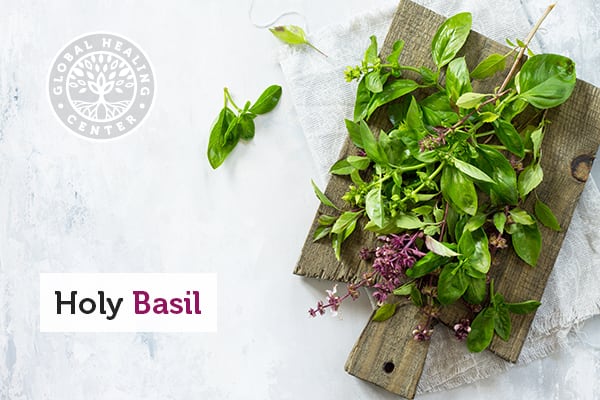
Holy basil on a cutting board.Holy basil on a cutting board. This therapeutic herb can be used to make tea or as a supplement.

Whether you use it to reduce stress, improve sleep, or boost your immune system, holy basil is an amazing herb with many therapeutic properties. Also called Tulsi, legend has it that the plant is an earthly manifestation of the Hindu goddess who was devoted to Vishnu — the god who preserves creation and life. Tulsi is often grown around Hindu shrines and offered in worship as a sacred plant, and because of its role in the Hindu religion, some consider chewing the leaves a disrespectful act. Because of its many therapeutic properties, Ayurvedic practitioners have used holy basil for centuries.[1]

What Is Holy Basil?

Holy basil Ocimum sanctum (sometimes called Ocimum tenuiflorum) is a green, leafy plant with purple flowers.[2] Part of the mint family, holy basil is an aromatic shrub native to India. Don't confuse holy basil with sweet basil (also called Thai basil) commonly used in cooking; though related, they're two different plants. The leaves, seeds, and flowers of holy basil contain many nutrients, including vitamin A, vitamin C, calcium, zinc, and iron.[3]

The Benefits of Taking Holy Basil

Both ancient tradition and modern science attribute an array of health benefits to holy basil, including antifungal, antibacterial, antiviral, antiprotozoal, antioxidant, anti-inflammatory, and adaptogenic properties.[1] Natural healthcare providers use this herb to normalize lung, liver, eye, kidney, bone, thyroid, metabolic, and respiratory conditions. Historically, healthcare providers also used holy basil for skin conditions including ringworm, insect bites, and acne, and to calm digestive issues. Below are the most common benefits that holy basil offers.

1. Reduces Anxiety & Stress

Holy basil is a natural adaptogen, which is a substance that reduces anxiety and stress. Adaptogens help your body adapt to stress by boosting your immune system, increasing endurance, and balancing moods. A small-scale trial found that when 35 human subjects took 500 mg of holy basil twice daily, they reported improvements in their overall mood.[4] Two antioxidants that this herb contains, rosmarinic acid and carnosic acid, help protect cells. These powerful antioxidants counteract free radicals and radiation, battling environmental stresses on a cellular level.[1]

2. Balances Blood Sugar

Holy basil's positive impact on blood sugar levels provides one of its most powerful and important benefits. A study showed that patients with non-insulin-dependent diabetes had better blood sugar levels after taking 2.5 g (2,500 mg) of holy basil leaves every day for four weeks.[5] Participants in both studies experienced substantial reductions in their fasting blood glucose levels and blood glucose levels. If this is something you're trying to get in check, check out our article on natural ways to lower blood sugar.

3. Helps Heart Health

It turns out holy basil may benefit your heart health, as well. A team of researchers looked at how eugenol essential oil — one of the components of holy basil — affected diabetes in laboratory rats, and while doing so, they discovered it improved and lowered cholesterol levels.[6] This led the scientists to conclude that holy basil may strengthen the cardiovascular system. Other studies have shown that the herb can help promote normal blood pressure in people.[1]

4. Freshens Your Breath

If you grow the plant yourself, you can chew holy basil leaves as a mouth freshener — that is, if it does not go against your religious beliefs.[7] Holy basil is an herb that can eliminate the germs in your mouth, giving you fresher breath and better oral health care. You can also buy holy basil powder, which is ground-up leaves, and use that in place of toothpaste. Just sprinkle some on your toothbrush, and brush as normal. To find other ways to freshen your breath, check out our 7 herbs for bad breath article.

5. Improves Sleep

You may want to start adding holy basil to your nighttime routine for better sleep. After a group of researchers from India gave adults ages 18 to 65 1200 mg of holy basil before bed, they experienced more restful sleep and felt less tired during the day.[8]

6. Soothes Headaches

One of holy basil's most popular uses is relieving headaches.[9] Ayurvedic practitioners believe the herb balances the three doshas, which are energies in the body. Holy basil is also used in Ayurveda to relieve the tension that creates headaches. Studies have found that patients who regularly take holy basil supplements experience fewer headaches.[10]

7. Relieves Earaches

If you have an earache, holy basil may help. Researchers discovered that a drop of juice from the leaves could soothe and improve earache symptoms in kids and adults.[10] This might be related to its ability to reduce pain sensitivity as well as swelling and irritation in the body.[11]

8. Protects the Stomach

Ancient practitioners of Ayurveda used holy basil for stomach conditions, and science has since confirmed its benefits to the digestive system. Researchers found that holy basil oil helped decrease ulcers in laboratory animals.[12] In another study, not only did holy basil reduce existing gastric and duodenal ulcers, it even prevented animals from developing them in the first place.[13]

9. Reduces Body Fever

People have used holy basil — specifically the juice from fresh leaves — for centuries to reduce fevers and boost the immune system.[14] One study mentions that in past times, people used holy basil to treat malarial fever. The eugenol in holy basil also has insecticidal and larvicidal effects against mosquito larvae, which cause malaria.[15]

10. Improves Skin Health

Studies show that the eugenol found in holy basil — a compound also found in clove oil — deters harmful organisms. Bacteria, such as Cutibacterium acnes (formerly called Propionibacterium acnes) can cause chronic acne and inflame minor skin blemishes. One team of researchers created various herbal anti-acne gel combinations with various combinations of holy basil, crepe jasmine, tea tree oil. They found that various anti-acne gel formulations that included holy basil had nearly the same antibacterial activity as prescription antibiotic gel.[16]

11. Boosts Brain Function

Like the Ayurvedic herb ashwagandha, holy basil supports cognitive function — in other words, memory and learning. It boosts anti-stress agents in the brain, improving brain activity by increasing glutathione peroxidase activity — an enzyme that protects your cells from oxidative damage.[17] Another study revealed that holy basil protects neurons in the brain from damage.[18]

12. Promotes Eye Health

Traditionally, practitioners used holy basil eye drops for a variety of conditions, including cataracts, glaucoma, or conjunctivitis. A study published in 2000 showed that eye drops containing the leaf extract had antioxidant, antibacterial, and anti-fungal activity, and also reduced redness and irritation, improving these ocular conditions.[19]

Holy Basil Nutrition Facts

One gram of fresh holy basil has 0 calories and 3 mg of potassium, but no fat, cholesterol, sodium, or sugar.[20] Holy basil also contains trace amounts of vitamin A and C, calcium, and iron. Concentrated extracts and essential oils may provide more of these nutrients.

How to Take Holy Basil

Holy basil is available in many forms, such as powders, essential oils, extracts, and teas. You can grow holy basil or buy it fresh. The seeds, leaves, and flowers can all be used.

Tea

You can make holy basil tea from fresh or dry leaves. Simply brew them in a pot of hot water or let them steep for 10 minutes. Then, remove the leaves and drink the liquid, adding natural sweeteners if you desire. Instant tea powders that dissolve in water are also available.

Essential Oil

Holy basil has a warm, spicy, sweet aroma. When using holy basil essential oil, keep in mind that it's extremely concentrated, so you have to dilute it in a carrier oil like almond oil or coconut oil before applying to your skin. By putting holy basil oil in a diffuser, you can enhance your home's aroma. You do not need to dilute essential oils when used in a diffuser. Never take an essential oil orally unless it is certified food-grade.

Supplement Tablets

There are many holy basil supplements available. These usually come in 500 mg per tablet and you can take more than one at a time to get the serving amount you desire.

Extract

Always look for the purest, highest-quality, organic extracts available. I recommend avoiding ethanol-alcohol based extractions.

Dosage for Holy Basil

The University of Michigan recommends taking 1,000 to 2,500 mg of holy basil per day, in the dried, powdered leaf form. Scientists recommend these specific amounts used in clinical trials which helped various conditions.[11] You can take the entire serving at once or spread it throughout the day.

Holy Basil Side Effects

In human clinical trials, researchers found holy basil had no side effects,[11] but some studies have found that it reduced fertility in animals.[21] Holy basil may affect spermatogenesis due to the ursolic acid it contains,[22] so avoid it if you are trying to conceive a child. It's not known how this herb might affect pregnant and lactating women, so avoid it unless a healthcare provider says otherwise.[11] In general, however, holy basil is safe to use and has many healing properties.

Growing Holy Basil

If you want to grow your own holy basil, it will thrive indoors, but can also be grown outside, depending on your climate. In the United States, the plant grows best in U.S. Department of Agriculture (USDA) plant hardiness zones 10 and 11 — or the equivalent worldwide. It can't handle frost, so it's best to keep the plant above 50 degrees Fahrenheit.

A holy basil seed needs warm temperatures to germinate, so it's best to plant this herb in springtime. Holy basil needs full sunlight and moist soil to thrive. In general, this herb reaches a height of 20 inches, so you can harvest the leaves multiple times during the growing season.

Points to Remember

Holy basil — also called Tulsi — is a popular herb that offers many health benefits. As an adaptogen, holy basil reduces anxiety and lowers stress. The herb also helps balance blood sugar, relieves headaches and earaches, protects the stomach, reduces fevers, and boosts skin, brain, and eye health.

Holy basil is available in teas, extracts, oils, and supplements. You can also use holy basil essential oil. Make sure to avoid any ethanol-based extracts. If you prefer growing your own, do it indoors, unless you live in a warm climate that doesn't get frost.

The post Holy Basil: Top 12 Amazing Health Benefits appeared first on Dr. Group's Healthy Living Articles.


source https://www.globalhealingcenter.com/natural-health/holy-basil-benefits/

Monday, 15 October 2018

9 Proven Indigestion Remedies You Can Try Today

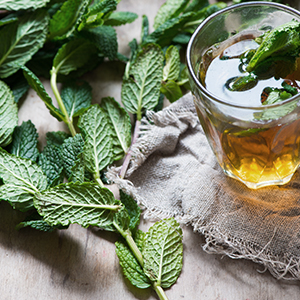
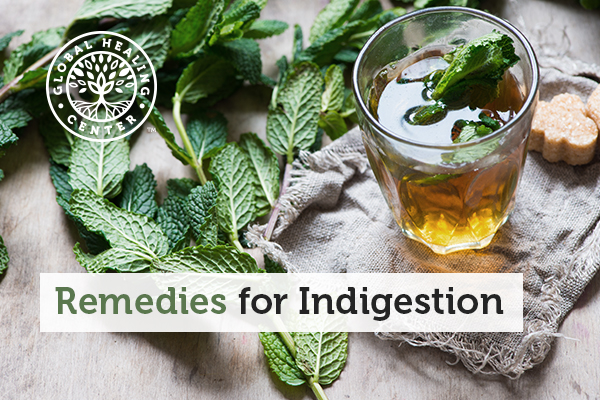
Herbal tea is one many remedies for indigestion.An herbal tea is one of many natural indegestion remedies.

For most of us, mealtime is a pleasure. Sometimes, though, eating brings the uncomfortable symptoms of an upset stomach, or indigestion. One in four people experiences it occasionally or regularly.[1] While there are a variety of over-the-counter and prescription drugs that claim to target the problem, effective natural remedies to improve your digestion are readily available in your pantry.

What Is Indigestion?

Sometimes called dyspepsia, indigestion causes a painful, burning sensation in your upper abdomen. It may also cause you to feel uncomfortably full during or after a meal, or to burp more than usual. This condition typically affects the stomach and the esophagus, which comprise the upper part of your gastrointestinal (GI) tract.

Symptoms of Indigestion

  • A burning sensation in your stomach or upper abdomen
  • Bloating
  • A sensation of pressure
  • A growling stomach
  • Acidic taste in your mouth
  • Nausea or vomiting
  • Diarrhea or constipation

Dyspepsia is not dangerous, but it can affect your quality of life. In order to appreciate your meals and get the full nutritive value of your food, you'll want to keep your digestive system running smoothly.

Indigestion is not the same as heartburn — also called acid reflux — which causes a burning sensation in your chest because stomach acid has entered the esophagus. However, indigestion and heartburn often show up together.

Top 9 Indigestion Remedies

The good news is that you can reduce or manage indigestion by living a healthy lifestyle, making smart choices about your diet, and looking to therapeutic plants and nutritional supplements when needed. All of these remedies have the added bonus of supporting your overall health. Most of these natural remedies are safe but always ask your healthcare provider if you are pregnant or have any specific condition that may interfere.

1. Apple Cider Vinegar

My personal favorite is adding one tablespoon of ACV — organic, raw apple cider vinegar — into a glass of purified water (if you're brave, or experienced, you can also drink the ACV as a shot). Rich in nutrients and probiotics, ACV counteracts an upset stomach and heartburn with enzymes — natural chemicals that break down food so we can absorb the nutrients. The ash (minerals) in ACV promotes proper pH balance in our body.

Take one tablespoon in at least half a glass of water before or after a meal. Be sure to shake the bottle first to mix the cloudy “mother of vinegar" on the bottom. Try adding a squeeze of lemon into the water as well.

2. Ginger

Many traditional plant remedies are highly effective at reducing indigestion.[2, 3] One of the most well-known and oft-used is ginger root. Studies show that ginger reduces nausea and vomiting, and it may help prevent ulcers.[4]

You can chew a bit of peeled, fresh, raw ginger root before or after a meal, or brew it into a tea. Ginger in any form helps protect the stomach and prevent indigestion symptoms such as cramping, bloating, and nausea.

3. Licorice Root

Licorice root comes from a plant in the pea and bean (legume) family. Its anti-inflammatory and analgesic properties help ease indigestion symptoms by protecting the mucus of your stomach lining.

You can consume it the same way as ginger — in tea, or chewed raw if you can find it. You can also take it as a supplement called DGL, or deglycyrrhizinated licorice.

4. Fennel Seeds

Fennel is a Mediterranean plant in the carrot family with a licorice-like flavor. Its oil has many therapeutic uses. Fennel seeds help calm muscle spasms and reduce the gas and nausea of indigestion. If you dine in Indian restaurants, you may have seen a small bowl of them on the table.

Try chewing on half a teaspoon of seeds after meals. Alternatively, add one half-teaspoon of fennel seeds to boiling water, strain, and drink as tea.

5. Black Cumin Seed

The flowering plant Nigella sativa — also known as black seed, black cumin, and black caraway — has been known since at least the time of King Tut to protect the stomach lining, fight inflammation, and repel harmful bacteria.[5] Black cumin seed is a commonly used natural remedy for GI problems including indigestion.

You can chew black seeds whole, ground, or boil them in water to make tea. You can also use organic food-grade black cumin seed oil internally, in small amounts.

6. Peppermint Oil

Peppermint essential oil has many therapeutic properties, including relief for GI problems such as indigestion and heartburn.[6] As an anti-spasmodic, peppermint oil relaxes stomach muscle contractions associated with pain, bloating, and nausea. Peppermint oil also helps fight harmful bacteria.

You can take peppermint oil as a supplement in capsule form, apply it to the skin blended with a carrier oil, or use a few drops to make an after-meal tea. Be careful, though: If you have gastroesophageal reflux disease (GERD), peppermint could worsen your symptoms. An herbal tea such as chamomile is a better choice.

7. Digestive Enzymes

Digestive enzymes help break down dietary fiber, protein, carbohydrates, and fats. While the body produces these, we can also get them from certain foods — like papain in papaya or bromelain in pineapple. When you don't get enough digestive enzymes — whether through your diet, or your body does not produce them properly — it may cause indigestion.

As you age, your body produces fewer digestive enzymes, making supplementation more important. Eating raw foods also boosts the body's production of enzymes. If you do not eat many raw vegetables and fruits, try taking a supplement containing a blend of digestive enzymes, or one with papain or bromelain, to help indigestion.

8. Probiotics

Probiotics are helpful bacteria or microbes that support digestive health. When “bad" gut bacteria outnumber the good ones, health problems can result, including GI ailments liked indigestion. Probiotic supplements can help restore the balance. A recent study[7] found that people with functional dyspepsia have different gut microbes than other, but something as simple as eating yogurt with Lactobacillus for several months restored healthy probiotic flora and reduced indigestion symptoms.

I recommend supplementing with a probiotics blend, which you can purchase in capsules, pills, and powders. Even better, increase your intake of probiotic-rich foods, like sauerkraut, kombucha, miso, and other fermented foods, or coconut-milk yogurt.

9. Baking Soda

Sodium bicarbonate, also known as baking soda, is a popular indigestion remedy because it quickly neutralizes excess stomach acid and re-balances the body's pH. Mix half a teaspoon of baking soda in a glass of water and drink it after a meal. If you're taking medications, make sure it's been an hour or two after your last dose before taking the baking soda.

What Causes Indigestion?

The root cause of most indigestion lies in what you put into your body. If you eat certain foods or combinations of food, you may end up with indigestion. These factors may increase your chance of experiencing indigestion:

  • Eating fried, fatty, or spicy foods
  • Eating acidic foods such as tomatoes or citrus fruit
  • Eating dairy if you have lactose-intolerance
  • Eating too much or too fast
  • Smoking
  • Drinking excessive alcohol
  • Drinking caffeinated drinks such as coffee or soda
  • Taking certain medications including NSAIDs (non-steroidal anti-inflammatory drugs, such as ibuprofen) and some antibiotics.

Several conditions can lead to indigestion. Indigestion is common during pregnancy, stress can cause indigestion, and overweight and obese individuals may also have more dyspepsia. Even hormone imbalances can contribute to increased indigestion.

How to Avoid Indigestion

The best way to treat indigestion is not to get it in the first place. Ideally, you should eat a whole-foods, plant-based diet, not smoke, and avoid medications or foods that trigger an upset stomach. Here are some practical ways you can prevent indigestion:

  • Eat slowly and chew your food completely. If you rush, you may swallow air, which can prompt indigestion.
  • After eating, wait a while before exercising.
  • Wait two to three hours before lying down after a meal.
  • If you need to lose a few pounds, start a fitness regime or diet program.
  • Reduce your stress. Practice stress-reduction techniques such as meditation or yoga.

When Indigestion Is Something Else

About one-quarter of people with indigestion-like symptoms may have an underlying condition.[8] Some of these include:

  • Gastroesophageal Reflux Disease (GERD) (where stomach acid irritates the lining of your esophagus)
  • Irritable bowel syndrome (IBS)
  • Irritable bowel disease (IBD)
  • Peptic ulcers (a sore in the lining of the stomach or intestine)
  • Gallbladder issues, such as gallstones
  • Infection with H. pylori or other types of harmful bacteria
  • Gastritis (an inflamed stomach lining)
  • Gastroparesis (a condition in which the stomach cannot fully empty)
  • Celiac disease (inability to digest gluten)
  • Anxiety or depression

Consult a healthcare professional if you've had indigestion for more than two weeks, are in severe pain, or your indigestion includes any of the following symptoms:

  • Unplanned weight loss, or appetite loss
  • Vomiting blood
  • Black, tarry stool
  • Trouble swallowing
  • Extreme fatigue

If your indigestion includes shortness of breath, sweating, or chest pain that spreads to your arm, neck, or jaw, go to the emergency room.

Points to Remember

Indigestion, or dyspepsia, is a common set of symptoms that include upper abdominal pain, fullness, and nausea during or after eating. Smoking, medication, and eating fatty, fried, or acidic foods are some of the factors that can trigger indigestion.

You can usually manage indigestion through diet and lifestyle changes. Apple cider vinegar, digestive enzymes, probiotics, and ginger or licorice root are a few of the remedies that provide relief to many. You can also take it a step further and try to prevent digestion before it starts by eating more slowly, losing weight, and practicing relaxation.

The post 9 Proven Indigestion Remedies You Can Try Today appeared first on Dr. Group's Healthy Living Articles.


source https://www.globalhealingcenter.com/natural-health/indigestion-remedies/

Friday, 12 October 2018

10 Natural Ways to Lower Triglyceride Levels

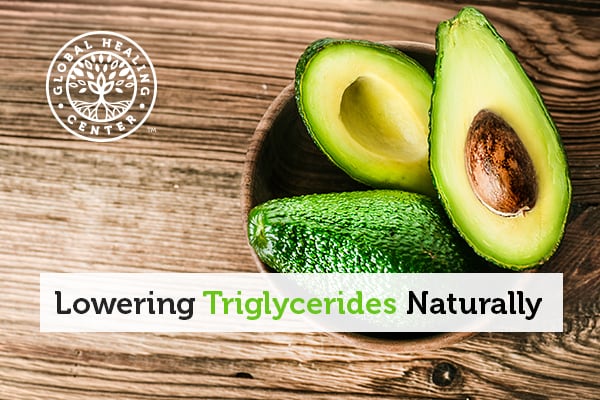
Avocado is one of many foods that help lower triglyceride levels.Avocado is one of many foods that help lower triglyceride levels.

If you've been diagnosed with high triglycerides, you're not alone. According to the U.S. Centers for Disease Control and Prevention, 21.5 percent of all adults have above-normal triglyceride levels, also called hypertriglyceridemia or dyslipidemia.[1] High levels of triglycerides may not come with specific symptoms, but they may coincide with both high total blood cholesterol and low HDL ("good") cholesterol levels. Having too many triglycerides in the blood can raise your risk of heart disease and insulin resistance,[2] especially if you also have high blood pressure or high cholesterol.[3]

The good news? Whether you currently have high triglycerides or it runs in the family and you want to keep your levels down, there are natural ways to keep them on an even keel.

What Are Triglycerides?

The word triglyceride means, literally, a molecule with three fatty acids bonded with a glycerol molecule. Triglycerides are a common form of lipid (fat) in the plant and animal kingdoms. In general, most of the fats you eat contain triglycerides — including animal fat, plant oils, unsaturated fat, and trans fat.

When your meal contains more calories than you burn, your body stores triglycerides in your fat cells, or adipocytes, for future use.[2] These adipocytes form your adipose tissue, or body fat. Triglycerides also circulate through your bloodstream, which allows your healthcare provider to detect them in blood tests.

What Causes High Triglycerides?

The two most common causes of high triglycerides are eating a high-fat diet — especially animal fats — and being overweight. Other things that can cause high triglyceride levels include:

  • Liver, thyroid, or kidney diseases[3]
  • Type 2 diabetes
  • Smoking cigarettes[4]
  • Drinking alcohol[4]
  • Medications like birth control pills and corticosteroids[3]

What Are Normal Triglyceride Levels?

Triglycerides below 150 milligrams per deciliter (mg/dL) of blood are considered normal. Anything above 150 mg/dL is considered elevated.[3] To assess triglyceride levels, doctors typically do a standard cholesterol blood test, which includes your triglycerides, total cholesterol, high-density lipoprotein (HDL, or "good") cholesterol, and low-density lipoprotein (LDL, or "bad") cholesterol.[3]

  • Normal: Lower than 150 mg/ dL, or 1.7 mmol/L
  • Borderline high: 150 to 199 mg/dL, or 1.8 to 2.2 mmol/L
  • High: 200 to 499 mg/dL, or 2.3 to 5.6 mmol/L
  • Very high: Greater than 500 mg/dL or above, or 5.7 mmol/L

How to Lower Triglycerides Naturally

If your triglycerides are high, there are natural ways to lower them without resorting to medications, which may have undesirable side effects. Research shows that the currently available drugs haven't shown the ability to significantly lower heart attack risk or some of the other problems associated with high triglycerides.[5] Consider these natural remedies.

1. Limit Sugar

Limiting or even eliminating sugar — including natural sweeteners like agave, honey, or maple syrup — can lower your triglycerides. One study found that when obese women with a body mass index (BMI) of 25 or higher replaced sugar-sweetened beverages with plain water for nine months, it lowered their triglyceride levels from 155 mg/dL to 149 mg/dL.[6] Another study showed that eating food with added sugar created higher triglyceride levels in children.[7] If you crave a sweet snack, reach for fruit instead of sugar-sweetened foods. Try natural, no-calorie sweeteners like Stevia leaf or monk fruit, rather than items with added sugar. Although artificial sweeteners like Splenda or Nutrasweet do not affect triglyceride levels, avoid them because they carry other harmful health consequences. If you want to cut sugar completely from your diet, check out our sugar detox article.

2. Eliminate Bread & Pasta

White bread, pasta, and Irish potatoes contain starch, a carbohydrate that has a high glycemic value that can spike blood sugar and raise your triglyceride levels. Eliminating these foods can help lower your triglycerides.[2] Focus on eating whole grains, such as wild rice, barley, or quinoa, and a variety of vegetables, nuts, and seeds, which contain complex carbohydrates and fiber.[3]

3. Exercise More & Differently

Since obesity and excess weight are linked to higher triglycerides, exercising is an obvious way to counteract high levels. Studies show that a combination of aerobic exercise and resistance training can reduce triglyceride levels and stimulate weight loss.[8] After reviewing many studies, scientists gave these specific recommendations: increase your physical activity to more than 30 minutes per day five times per week combined with moderate to high-intensity resistance training.[9] One study found that after one hour of exercising, triglyceride levels declined but not until after 24 hours in men who did not normally exercise.[10]

4. Avoid Saturated Fat & Trans Fat

To keep your triglycerides low, avoid animal fat and trans fat.[11] Animal-based food like red meat, butter, and cheese contain mostly saturated fat, which is linked to higher triglyceride levels.[12] Plant fat, including vegetable and nut oils, doesn't raise blood triglyceride levels as much as animal fat.[13] An exception to this rule? When vegetable oils are solidified through hydrogenation (margarine or shortening), they become "trans fat" and act similarly to animal fat in the body.[14]

Most fried and packaged foods, such as potato chips and cookies, contain trans fat.[15] The U.S. National Library of Medicine recommends making trans fat less than one percent and saturated fat less than 10 percent of your total fat intake. For the best results, avoid animal fat and trans fat altogether. Consume healthy fats, like extra virgin olive oil, coconut oil, or other plant-based options instead.

5. Try Bergamot Essential Oil

Some herbal supplements, such as bergamot essential oil, may help balance your triglyceride levels. One study found that taking a bergamot-derived extract for six months normalized both cholesterol and triglyceride levels.[16] Bergamot has high levels of flavonoids, which are plant pigments that offer many health benefits. Another study suggested that the plant's antioxidant properties — its ability to fight free radicals — may play a role in bergamot's influence on triglycerides.[17] Bergamot is a safe alternative treatment for patients who have negative effects from pharmaceuticals.

6. Drink Less (or No) Alcohol

Not only does alcohol provide calories with no nutritive value, it also raises your triglyceride levels.[18] The extra calories from alcohol get converted quickly into fat and stored in the body; your body fat is comprised mainly of triglycerides.[18] People with normal triglyceride levels risk raising them when drinking, even when done in moderation.[19] If you want to lower your levels, avoid alcohol.

7. Lose Weight

Losing weight lowers triglycerides because your body burns fat for energy and the extra gets eliminated. Several studies have shown that weight loss leads to lower triglyceride levels. Type 2 diabetics who dropped 5 to 10 percent of their body weight over a one-year period saw a 40 mg/dL drop in triglyceride levels.[20] In another study, the blood lipid levels of men with metabolic syndrome (pre-diabetes) decreased as they lost weight.[21] Numerous dietary plans can help you lose weight but be wary of "low-fat" diets, because studies show that your body needs fat, and those diet plans typically rely on packaged, processed food. Low-carb diets such as Keto or a plant-based diet will give you better results for weight loss and overall health. Check out these tips for weight loss.

8. Eat Foods That Lower Triglycerides

If you're wondering how to lower triglycerides through dietary changes, try the following foods.

Oats

You may be happy to learn that your morning oatmeal can naturally lower triglycerides, as long as it's whole-grain, rather than instant. Researchers discovered that eating high-fiber oats lowered triglycerides more than wheat cereals.[22] Scientists have linked fiber with lowered risk of cardiovascular diseases, and oats are an excellent source of dietary fiber. You can also try steel-cut oats.

Beans

Not only are beans and other legumes a great source of fiber and nutrients, they also lower triglycerides. Adults who ate two servings of beans to one serving of white rice (2:1) had lower triglycerides, lower blood pressure, and lower fasting glucose levels compared to those who ate more rice than beans.[23] Several other studies have found that beans lower cholesterol and triglyceride levels.[24]

Avocados

Whether you prefer to add them on top of whole-grain toast or serve them in guacamole, avocados are a natural defense against high triglycerides. Eating extra avocados for seven days lowered both triglyceride and cholesterol levels in one study of adults.[25] Avocados are chock full of healthy oils, including monounsaturated fat and polyunsaturated fat, and some researchers have suggested all people replace unhealthy saturated fat with avocados.[26]

Fish

Although I recommend a plant-based diet, if you do eat fish, you might want to know that eating fatty fish — salmon, mackerel, herring, lake trout, tuna, and sardines — may lower your triglyceride levels.[27] Fish contains high levels of omega-3 fatty acids, which can decrease the risk of having a heart attack or stroke.[28] Only choose sustainably-harvested, low-mercury options. You can assess the safety of your seafood with the Monterey Bay Aquarium's Seafood Watch program's handy, printable consumer guides.[29]

9. Avoid Foods Linked to High Triglyceride Levels

People with high triglycerides should avoid refined sugar, soft drinks, fatty animal protein, high-fat dairy, and simple carbs like white bread and pasta. Always read the nutrition facts labels and watch out for added sugars. Manufacturers use different names for sugar, including dextrose, high fructose corn syrup, barley malt, and beet sugar. Generally, avoid these foods if you are concerned about your triglyceride levels:

  • Red meat (beef, pork)
  • Butter
  • Cheese
  • Soda and sugary drinks
  • White bread
  • Pasta
  • Margarine and foods with trans fat
  • Alcohol

Try Supplements to Lower Triglycerides

Some nutritional supplements may help balance your triglycerides. We mentioned bergamot oil above, but there are other supplements that may help. Studies have found that the following supplements may balance your triglyceride levels:

Risks of High Triglycerides

The main health risks from having high triglycerides are:

  • Plaque buildup in the arteries
  • Atherosclerosis (hardening of the artery walls)
  • Heart attack
  • Stroke
  • Heart disease
  • Insulin resistance
  • Acute pancreatitis (sudden inflammation in the pancreas)

Points to Remember

There are several natural ways for you to lower your triglyceride levels, primarily dietary and lifestyle changes. Avoid eating sugary, packaged, and high-fat foods like red meat, butter, or cheese. Eliminate or lower your alcohol intake, as well as your consumption of refined carbs like pasta and white bread. Try to lose weight through dietary changes and exercise. Try a plant-based diet that includes healthful foods, such as oats, beans, and avocados, that promote normal triglycerides.

To lose weight and lower triglycerides at the same time, exercise more. Incorporate both cardiovascular (aerobic) exercise and strength or resistance training into your fitness regime. If you can lose 5 to 10 percent of your body weight, you will most likely reduce your blood triglyceride levels.

The post 10 Natural Ways to Lower Triglyceride Levels appeared first on Dr. Group's Healthy Living Articles.


source https://www.globalhealingcenter.com/natural-health/ways-to-lower-triglyceride/