Thursday, 11 October 2018

The Best Yoga Strap? The Dharma Approach Has You Covered with Dharma Straps

My first interview question to Krissa should have been “Why didn’t these exist sooner?”

Krissa Ludvigsen, a global citizen at heart, is the founder of The Dharma Approach, and the yoga straps that carry its namesake: Dharma Straps. I sat down (or perhaps more accurately, moved) with Krissa this past week. We talked on natural beauty, Dharma yoga, gratitude, her company The Dharma Approach and the straps. Find below some fantastic insights into how to use these new straps, a behind the scenes look at this devoted yogi’s lifestyle and how to balance being an entrepreneur when you’re also a new mom.  


On Daily Practice

What is your morning routine like – has it changed since you became a mother?

Haha, what routine? These days I’m usually woken up around 6.15 AM with my 7-month-old crawling around the bed in between me and my husband. The truth is that I’m not actually a morning person. So even before having a baby, it was usually just wake up, brush teeth, do make-up, get dressed, have coffee and breakfast, check emails and get cracking on my to-do list. I’m one of those people that has a lot of things going on at the same time, so early in the day I love to just get as many things done as possible and make the most of my “coffee high”. Then later in the afternoon, that’s usually when I would switch off, relax, and have some me-time – that’s when I get to my practice. But like I said: baby.

What keeps you balanced day-to-day?

Patience, Forgiveness, Presence and my Gratitude practice. As a yoga teacher and yogi, one of the hardest things I’ve had to learn since becoming a mother is that you just don’t have enough time in the day to do everything you want. You are 99% mama and 1% yourself, the wife, the housekeeper, the friend, the entrepreneur, the yogi… Or at least it feels that way sometimes. And so I practice patience with myself, knowing that I will come back to my practice eventually, whether it is later in the day or sometime in the week. I practice forgiveness when I graciously allow myself to enjoy being a new momma without the pressure of having the same personal practice as I used to. I practice presence when I do take those few precious moments to pause, breathe, reflect and… give thanks, practice gratitude, which is my last saving grace every day. Come to think about it – it’s all a form of yoga. To practice compassion, selflessness and love.

What daily and/or weekly practice can’t you live without?

I’m glad you asked this because if you haven’t already gathered from my first two responses, finding a daily routine is rather hard these days. BUT I can definitely say I am able to maintain a weekly routine. So my weekly self-love routine consists of teaching at least 1-2 yoga classes a week – that is my time to give back and maintain my “practice” of being a yoga teacher. And then usually Fridays, Saturdays and Sundays are my time for personal practice, either at home or at a studio in town.

My default and heart practice is Dharma Yoga. And whenever I have some more extra time, I definitely try and do a 20-30 minute pranayama session as well. That’s where the real magic happens. And of course, I do my daily gratitude practice. It doesn’t need to be big. It can be as simple as the feeling of the sun on my skin… being able to bike to work… a spontaneous coffee date with a friend… The point is to be creative and keep saying thank you, because the more you do this, the more you start to notice how many more little things there are to be grateful.

On Dharma + Dharma Straps

You’re a Dharma Yoga Teacher, tell us what that means? 

Well, first and foremost it means that I am a student of Sri Dharma Mittra, one of the oldest (he’s currently 79 years old) still living gurus that exist today.  When I teach, it is based on his lineage and I think it’s important to remember and honour that as Dharma yoga is a classical (traditional) form of yoga. The generation of teachers makes Dharma Yoga teachings like the great grandchild of an original source of knowledge, so the teachings are well preserved. We follow Patanjali’s 8-limbed approach to yoga, demonstrated in different ways whether it’s through the physical practices of hatha yoga, giving back through karma yoga, mantra repetition, knowledge-seeking… Dharma Yogis are more often than not, vegetarian if not fully vegan. This is because living a life of compassion (for all living beings, including animals) is one of our most important values. In Sanskrit, Dharma means “to uphold or sustain the natural/cosmic order of the universe”, which we believe has everybody’s interest at heart. And so to live according to your dharma means to live life by doing what is right – for yourself, your family, society, and the universe at large – to raise each other higher. Everything you do that leads you closer to your true nature, is dharma.

Why are props important to your practice? 

Well, another thing I learned from Dharma is to “use every tool available”, i.e. embrace new methods, new technologies that will help further your practice. For a long time, I resisted using props because I found them a distraction and almost like cheating. I still prefer to have nothing but my breath and my mat when I practice, because for me it is the most natural way to practice yoga. In the olden days, it’s not like we had the fanciest clothes, blocks, wheels, straps, bolsters and eye pillows… and we were still able to practice “yoga”.

Now I realise that using props is all about having the correct mindset. The point is not to rely on the prop, and become overly dependent on it, like a crutch. A good prop is something that can help you go deeper in some part of your practice, until you feel you no longer need it. In the case of the Dharma Straps that I invented, they were a way for me to show my students how to help themselves, when I cannot physically be there all the time. A good prop can help you experience a pose for the first time… or in a different way… or in a deeper way… in a safer way… or in a more relaxing way.

What inspired the creation of Dharma Straps? 

It all began when I was teaching a backbend workshop for the Atman Yoga School teacher training last year. While working on the sequence at home, I kept wishing that I had something better to teach people how to “flip the grip” and go deeper in poses such as full danurasana (bow pose) and raja kapotasana (king pigeon). I’m not a fan of traditional yoga belts found in most studios and shops because I find them super clunky, fussy, annoyingly long and distracting when trying to integrate into a flow sequence during class. I remembered during my 200hr teacher training at the Dharma Yoga Center in New York, there was this one afternoon where Dharma just started passing around this basket full of fabric rings. We were practicing our backbends, and that was the first time I got my feet all the way to my head. I ended up cutting up both legs of an old pair of pants and using those during class. They worked! But they were not very pretty. I was really inspired by the progress people made and the excitement they had and so, an idea of Dharma Straps was born.

Can you explain some of your favourite ways for using the straps? 


The best thing to do is watch the demo video. I also have a Tutorials page where I have photographed some of my students demonstrating my favourite poses to use with these straps. Personally, I love using the Dharma Straps to help people bind, balance and bend better. My favourite binding poses with the Dharma Straps are compass pose, parivrtta upavistha konasana (revolved seated angle pose) and full baddha padmasana (bound lotus). My favourite balancing pose is ardha baddha padma vrksasana (half bound lotus tree pose). My fave backbends are definitely the kapyasana (crescent moon) that is a staple in so many dharma yoga classes, raja kapotasana (king pigeon) and of course the full danurasana (bow pose). I also really love using the large strap in supported shoulderstand and it’s a great shoulder opener to warm up for a practice. Useful tip: wrap the large strap as many times over as you need to adjust the length, and you end up with two comfortable handles as well!

Natural Beauty 

What is your morning skincare routine? 

Eek should I have one!? I normally just splash my face with cold water to wake myself up and tighten any pores in my skin. Then I apply jojoba oil to moisturize and keep my skin hydrated before putting on any makeup. 

And evening skincare routine?  

At night, after a long day, I use coconut oil to remove any makeup if I have to (I think that’s a tip I actually learned from you). Then I wash my face with warm water and an apricot face scrub. Aloe vera is my night moisturizer, followed by a slightly thicker cream I massage around my eyes, eyebrows, forehead, temples, jaw and cheekbones – always massaging in an upward direction from the jaw and cheekbones. 

What is your hero product?

Definitely the aloe and jojoba oil. The jojoba oil in particular is so much more lubricating than the old moisturizers I used to use. And it’s also great (and natural) as a lip balm!


On Favourites 

What is your favourite Asana?

A really good savasana! It’s the most important of all poses!

Do you read? If so, what are your top 3 favourite books?

I do, but not enough. That said, my all-time favourite books I always recommend are: Siddhartha by Herman Hesse, The Dharma Bums by Jack Kerouac and The Alchemist by Paulo Coelho.

What is your must have travel essential? 

Spare contact lenses!

What are your favourite rituals? 

Is breakfast a ritual?

On Trends and What’s Next

What are the trends that you’re seeing in the yoga space right now?

Positively speaking, it’s nice to see that the yoga scene here in the Nordics is continuing to grow and more and more people seem to be seeking the deeper parts of the practice – asking for more pranayama, more meditation, more teacher trainings, curious about a more plant-based diet. I’ve heard a lot lately that more and more people are seeking authentic forms of yoga at actual yoga studios as opposed to more aerobic-style classes offered at gyms. That’s a good sign that the community is evolving beyond just the physical practice.

That said, we are getting stronger, faster, thanks to the continuing popularity of yoga around the world and the global health and wellness fad that’s kicked in over the last decade or so. There are new studios, new brands, new props popping up all the time, our Dharma Straps included. But remember, they are a tool, not a crutch.

Finally, there is a lot of noise on social media and I feel sometimes that in an effort to stay relevant, a lot of yogis feel pressured to keep broadcasting every aspect of their practice. I get it as I also come from a marketing and communications background. I guess for me, my hope is that we all (myself included) remember to stay humble and go back to our roots. For all the stuff we put out there, my wish is that we always remember to keep a little bit of our practice holy and for ourselves. After all, the real yoga is off camera and offline.

These buckle-free yoga straps are easy to use, using a combination of both cotton handles for easier grip and durable elastic for more stretch. They come in several sizes, making them perfect for stretching, backbends, reaching and binds. No buckles. No fuss. They are genius. Find them here. 

X

K

The post The Best Yoga Strap? The Dharma Approach Has You Covered with Dharma Straps appeared first on Living Pretty, Naturally.


source http://livingprettynaturally.com/best-yoga-strap-dharma-approach-covered-dharma-straps/

Wednesday, 10 October 2018

What Is the Mediterranean Diet & Why Is It So Popular?

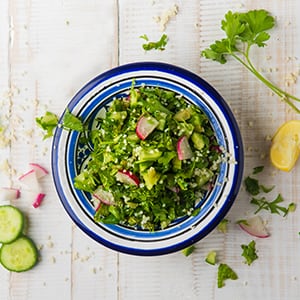
Greek salad is part of the Mediterranean diet.A typical Mediterranean diet meal consists of leafy green vegetables and plant-based proteins that are rich in antioxidants.

Widely considered one of the healthiest ways to eat, the Mediterranean diet is popular among nutritionists, physicians, and food lovers alike. The abundance of choices in a Mediterranean diet food list — which includes vegetables, fruits, whole grains, and olive oil — makes adherence relatively easy compared with other diets. Following a Mediterranean diet meal plan can be good for the heart, aid weight loss efforts, and support a healthy and joyful lifestyle.

Quick Tips to Start a Mediterranean Diet

Try these tips to jump-start your Mediterranean diet:

  • Swap out butter and margarine for healthier olive oil.
  • Increase your vegetable intake, adding a couple more servings to your plate each meal.
  • Replace refined grains with whole or ancient and alternative grains. Although it's often presented as a healthy option, avoid whole-wheat bread. Wheat is usually genetically modified and contains gluten.
  • There's no need to consume animal protein. Select a few of your favorite plant-based sources of protein, like seeds, nuts, and beans. If you must eat meat, do it occasionally and stick to lean, organic cuts that are humanely raised.
  • For snacks, eat a handful of raw nuts, such as almonds, cashews, walnuts, or pistachios.
  • Satisfy your sweet tooth with a piece of fresh fruit.
  • Have more sit-down meals with family and friends, in the Mediterranean way.
  • Avoid eating while using your cell phone or in front of the computer or TV.

What Is the Mediterranean Diet?

The Mediterranean diet is based on the lifestyle adopted by the people of Southern Italy, Greece, and neighboring countries before globalization and the subsequent rise of processed and fast food. You'll enhance the touted health benefits of the Mediterranean diet when you couple it with regular exercise and an emphasis on social connection, such as eating relaxed meals with family and friends.

The Mediterranean diet isn't strictly plant-based but it can be plant-based, meaning that eating meat and animal products are not a cornerstone of this diet. There are many plant-based sources of protein that you can eat, as well as a wide array of vegetables, fruits, whole-grains, brown rice, and nuts. Use olive oil instead of fats like butter or margarine, and if desired, you can include a moderate amount of red wine.

If you adhere to the Mediterranean diet closely, you will likely lose weight. This may happen for a couple of reasons. When following this diet, you'll consume high-fiber foods, avoid processed foods and refined sugars, and replace saturated fats with healthy fats, such as olive oil.

Though it offers clear guidelines, the Mediterranean diet is not as restrictive as many other diets.

What Can You Eat?

The Mediterranean Diet offers a wide range of food choices. To get started, be sure to add these items to your grocery shopping list.

Vegetables & Fruits

Vegetables and fruits make up the largest tier of the Mediterranean diet food pyramid, forming an important part of all your meals. A good way to get started on the Mediterranean diet is to increase how much produce you buy and how much you put on your plate relative to other foods — aiming for about nine servings a day of antioxidant-rich vegetables and fruits. Select a rainbow of colors for maximum impact: red, orange, and yellow veggies and fruits, plenty of green leafy vegetables, and dark-hued berries, eggplants, olives, and the like. Fruit makes an excellent dessert when following the Mediterranean diet.

Whole Grains

There are many types of bread, pasta, rice, quinoa, and cereal grains that have a place in the Mediterranean diet — just be sure to eat whole-grain versions for optimal nutrition. Avoid eating refined grains such as white bread and pasta made with refined or bleached flour, which are high on the glycemic index and lower in fiber than their whole-grain counterparts. And, if you're trying to avoid gluten and GMOs, avoid wheat.

Fish & Seafood

Although Global Healing Center believes that plant-based food is the most healthy, you can't fully discuss the Mediterranean diet without at least mentioning how animal products — including fish and seafood — factor into it. Because the diet originated near the Mediterranean Sea, seafood is often considered an integral part of it. If you're going to partake, aim for at least two servings a week of fish, scallops, oysters, or other seafood. Pick varieties that are high in omega-3 fatty acids yet low in mercury and other contaminants. Good options include wild-caught salmon, herring, mackerel, anchovies, and sardines, as well as bivalves such as mussels, clams, and oysters. Get a sustainable seafood guide that shows which seafood items are sustainably harvested and also low in contaminants, like mercury.[1]

Poultry

The Mediterranean diet recommendations allow for moderate consumption of poultry — say, two servings a week. Chicken, turkey, or quail are viewed as alternatives to red meat — which you should consume infrequently. If you consume meat, please choose organic, free-range, humanely-raised animals. However, know that your overall health is likely to improve if you strive for a primarily plant-based diet.

Eggs & Dairy

The Mediterranean diet incorporates moderate amounts of eggs and dairy products. Fermented dairy products such as Greek yogurt, and traditional or raw cheeses such as gorgonzola and feta, are a staple on the Mediterranean table.

Extra Virgin Olive Oil

A mainstay of Mediterranean cuisine, extra virgin olive oil (EVOO) is rich in antioxidants as well as monounsaturated fat, which comes with many proven health benefits including a lower rate of heart disease.[2] If olive oil isn't your thing, try avocado oil, which is also a monounsaturated fat. Drizzle oil on bread instead of slathering on butter, perhaps adding fresh herbs like basil and oregano. Mix oil with your favorite vinegar for a simple homemade salad dressing.

Nuts & Seeds

Nuts and seeds make a healthy, protein-rich snack. Try adding popular Mediterranean nuts like almonds, pine nuts, hazelnuts, pecans or pistachios as a delicious addition to your salad. Opt for raw nuts, since roasting nuts may alter their healthy fat content, and avoid heavily salted or candied nuts. Tahini, made from sesame seeds, is another excellent choice.

Beans & Legumes

Be sure to include beans and legumes such as lentils, garbanzos (chickpeas), and cannellini (white kidney) beans in your Mediterranean diet. Great sources of protein, beans, and other legumes taste great combined with cereal grains such as brown rice, quinoa, or whole-grain pasta for a healthy and satisfying dish.

Herbs & Spices

Use herbs and spices liberally in the Mediterranean diet. They add flavor to meals and may reduce your salt cravings. Basil, parsley, oregano, rosemary, and thyme are common herbs in Mediterranean cuisine. Popular spices include saffron, turmeric, paprika, coriander, and cardamom. You can also try a spice blend like za'atar — a mixture of sumac, sesame seeds, thyme, hyssop, and oregano — which hails from eastern Mediterranean and Middle Eastern cuisine.

Wine

The enjoyment of wine in Mediterranean countries is no secret, and many experts tout the health benefits of red wine. Dieticians who studied the Mediterranean diet suggested no more than a three-ounce serving for women and a five-ounce serving for men.[3] I advise little to no alcohol.

Other Beverages

Good old-fashioned water is the beverage of choice in the Mediterranean diet. You can also enjoy coffee and tea. We recommend distilled water because it is free of contaminants and environmental pollutants.

Foods to Avoid

Steer clear of the following unhealthy foods, which are not part of a traditional, wholesome Mediterranean diet.

Processed Foods

If it's factory-made, avoid it. Processed foods often contain added sugar and artificial colors and flavors, as well as unhealthy trans fats, high sodium, and chemical preservatives. Moreover, science points to a strong connection between weight gain and processed foods.[4]

Red Meats & Processed Meat

There are many good reasons to avoid red meat (beef and pork) entirely. Even though technically the diet allows meat once or twice per month, this is nutritionally unnecessary and may hurt your health. Definitely avoid heavily processed meats, like sausage, hot dogs, bacon, and salami, which typically contain harmful chemicals like nitrates and nitrites not present in natural meat.

Added Sugar

Limit packaged food; they almost always have added refined sugar. From condiments like mayonnaise and salad dressing to spaghetti sauce and nut butter, look for varieties that do not contain excess sugar. Avoid soft drinks and limit sweets. Make sure you read all food labels to learn what goes into your food. Strive to make your own recipes to have better control over what ingredients go into your meals.

Refined Grains

Bran and germ are removed from refined grains, such as white rice and white flour, to enhance shelf-stability. The bran and germ contain healthy fiber and valuable nutrients like magnesium, phosphorus, and calcium. Replace white bread, white rice, and refined-grain pasta with healthier whole-grain alternatives.

Trans Fats

Sometimes present in processed foods, trans fats often appear as “partially hydrogenated" oils in ingredient lists. Perhaps the unhealthiest type of fat, trans fat, has been linked with heart disease and other health problems.[5]

Example Mediterranean Diet Meal Plan

The following is meal plan is an example of what following the Mediterranean diet could look like.

DAY 1

Breakfast: Steel-cut oatmeal with apples or raisins

Lunch: Minestrone soup with whole-grain bread; side salad with sliced almonds and olives

Dinner: Cauliflower crust pizza with vegetables, green bean salad with balsamic dressing; fruit salad for dessert

DAY 2

Breakfast: Greek yogurt with peaches, granola, and a drizzle of honey

Lunch: Green lentil salad with spiced carrots

Dinner: Whole-grain pasta primavera; side salad; fruit for dessert

DAY 3

Breakfast: Authentic Greek peach barley

Lunch: Greek salad; whole-grain pita bread with hummus

Dinner: Grilled vegetables served over salad greens; baked potato with olive oil; steamed broccolini

Can You Be Vegetarian on the Mediterranean Diet?

With its emphasis on plant-based whole foods, the Mediterranean diet is easy to follow as a vegetarian or vegan. Beans, nuts, seeds, seitan, and whole grains like quinoa are good vegan protein choices. With eggs and dairy, vegetarians have even more protein options available to them.

Benefits of a Mediterranean Diet

Scientists have been intrigued by the Mediterranean diet since the late 1950s, which marked the onset of the 15-year Seven Countries Study.[6] This study, and others, have documented the health benefits of following a Mediterranean diet. In addition to assisting with weight loss, adopting a Mediterranean diet may also prevent heart disease and promote long-term good health, among numerous added benefits.

Promotes Heart Health

The Seven Countries Study found a lower incidence of coronary artery disease and heart failure in Mediterranean countries compared to in Northern European countries and the United States. In this and many other studies conducted since, researchers linked a traditional Mediterranean diet with lower cholesterol levels, lower blood pressure, and a marked decrease in cardiac events such as heart attack and stroke.[6, 7]

Aids Weight Loss

The Mediterranean way of eating appeals even to non-dieters as a way to lose weight and stay healthy. If you hate "diets" yet want to shed pounds, you'll be happy to hear that you can lose weight on a Mediterranean diet without restricting calories and with liberal use of the diet's primary vegetable fat: olive oil.[8] The Mediterranean diet can help you keep the pounds off. People who stuck to a non-calorie-restricted Mediterranean diet for five years lost between 9 and 22 pounds, and were able to keep it off after a year.[9] It is also important to incorporate physical activity into your day, which will also assist with weight loss. For more ideas, check out our weight loss tips article.

Helps Prevent Cancer

Keeping cancer at bay may be another benefit of the Mediterranean diet. Several studies link this way of eating with reduced breast cancer risk.[10, 11] Researchers have linked the Mediterranean diet with a lower risk of aggressive prostate cancer, and multiple studies find that people who adhere to a Mediterranean diet have a lower incidence of colon and rectal cancer.[12, 13]

Protects Against Chronic Diseases

Numerous chronic diseases may find a foil in the Mediterranean diet. Studies show that even without calorie restriction, the Mediterranean diet can reduce the risk of type 2 diabetes.[14] Adhering to the diet may also lower the incidence of Parkinson's disease, rheumatoid arthritis, and kidney disease.[15, 16,17]

Supports Brain Function

With its emphasis on vegetables, fruits, and lean protein, the Mediterranean diet may offer just the right food for your brain. Some studies link adherence to the diet with a reduced risk of Alzheimer's disease and dementia.[18] One study found that for older adults, adhering to a Mediterranean diet with higher fish and lower red meat intake may make your brain about five years younger, with less atrophy and increased volume of gray and white matter.[18]

Improves Longevity

The Mediterranean diet appears to support overall health in multiple ways, which may explain why it's often linked with a longer lifespan. One study suggests that the diet may protect your telomeres — the ends of your chromosomes — which normally shorten with aging. Longer telomeres are a biomarker of longevity.[19]

Ease of Following

Along with the above health benefits, the Mediterranean diet is easy to follow, adding to its widespread popularity. You won't need a calculator to count your carbs or calories, for example. Since it allows you to eat a variety of foods, you'll find it easy to get the wide range of nutrients you need.

Are There Side Effects?

Unlike fad diets, the Mediterranean diet evolved naturally over centuries and among real communities of people. Its side effects are minimal at best — and if any arise, it is likely from overdoing it with an otherwise-allowed food — for example, fats, wine, high-fat dairy, meats, or alcohol.

Overindulging in wine and other alcohol can lead to its own set of health issues, from liver disease to certain types of cancer. Fat consumption isn't strictly limited in the Mediterranean diet, and you can end up consuming too much. While the diet emphasizes healthy fats, the American Heart Association recommends your total fat consumption not exceed 25 to 35 percent of your calories.[20]

Depending on which foods you select, it can be easy to come up short on calcium when following the Mediterranean diet. Make sure to intentionally get enough calcium. You do not need to eat dairy products like yogurt and cheese to get calcium; there are plenty of excellent plant-based sources of calcium, such as spinach, kale, and broccoli.

Should You Try the Mediterranean Diet?

For most people, adopting a Mediterranean diet is advisable and beneficial to overall health. This diet plan and lifestyle emphasizes whole foods and includes plenty of vegetables and fruits. Although research suggests this plan can help prevent type 2 diabetes, the Mediterranean diet — with its unrestricted carbohydrates — may not be advisable for people who already have a diabetes diagnosis and need to watch carb intake.

Points to Remember

With its emphasis on fresh, whole foods, social dining, and moderate exercise, the Mediterranean diet is a more than just a diet — it's a lifestyle. To follow a Mediterranean diet, you will eat regular servings of vegetables, whole grains (preferably gluten-free), and a source of protein.

You don't need to eat meat to follow the Mediterranean diet. If you liberally use extra virgin olive oil, nuts, seeds, olives, tomatoes, lemons, and popular herbs and spices like parsley, oregano, saffron, and turmeric, you're virtually guaranteed delicious, satisfying, and healthy meals.

Popular with dieters and non-dieters alike, following a Mediterranean diet is easy to incorporate into any routine. This delicious and joyful way of eating and living bring a wealth of benefits, including heart health, mental wellness, and increased longevity.

The post What Is the Mediterranean Diet & Why Is It So Popular? appeared first on Dr. Group's Healthy Living Articles.


source https://www.globalhealingcenter.com/natural-health/mediterranean-diet/

Monday, 8 October 2018

Black Cumin Seed Oil: Top Benefits, Uses, & Side Effects

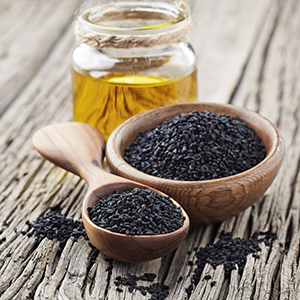
Black cumin seed oil helps promote heart health and weight loss.Black cumin seed oil helps promote heart health and weight loss.

Gaining popularity these days as a weight loss aid and natural healing agent, black cumin seed oil comes with a centuries-old wellness pedigree. Black cumin seeds were popular among the Egyptian pharaohs and were even found in King Tutankhamun's tomb. Black cumin seed oil — sometimes called black seed oil — boosts the immune system, balances blood sugar and cholesterol levels, and wards off harmful organisms.[1] The book of Isaiah in the Bible mentions cumin (caraway) seed, and reportedly, the Prophet Mohammed said, "Hold on to the use of the black seed for indeed it has a remedy for every disease except death."

What Is Black Cumin Seed Oil?

Black cumin seeds come from the plant Nigella sativa, which is part of the buttercup family and native to countries throughout southern Europe and southern Asia. Some people call it black seed, caraway or kalonji.

Black cumin seed oil comes from the seeds and is usually made by expeller pressing — basically, pressing the oil out of the seeds, and discarding the pulp. This essential oil and the seeds are popular in several traditional medicine systems, from India's Ayurveda to Islamic Tibb-e-Nabawi or “prophetic medicine."[2]

The secret to black seed oil's therapeutic powers may lie in its arsenal of phytochemicals. These naturally occurring compounds include:

  • Thymoquinone, a phytochemical with antioxidant and anti-inflammatory properties.
  • Thymohydroquinone, a phytochemical that naturally inhibits acetylcholinesterase, an enzyme that breaks down certain neurotransmitters. Physicians use pharmaceutical acetylcholinesterase for neurological diseases, and scientists are studying thymohydroquinone as a natural alternative.[3]
  • Thymol, a phenol which is naturally antibacterial and antifungal.

Black cumin seed oil contains other active chemicals, including alkaloids, saponins, and fatty acids, including linoleic acid and oleic acid, as well as nutrients like folate, calcium, iron, copper, zinc, phosphorus, proteins and essential amino acids.

Black Cumin Seed Oil Benefits

The properties of black cumin seed oil make it a great natural remedy for your health toolkit. From weight loss to lung health to immune system support, here are some of the top benefits you might see from using black seed oil.

Assists With Weight Loss

Black cumin seed oil is becoming an increasingly popular supplement for weight loss. A 2018 review of studies found that this oil appears to moderately reduce body weight, body mass index (BMI), and waist size.[4] The seed has traditionally been used to stimulate appetite, but preliminary studies nevertheless show that — despite this — it helps people lose weight in some studies.[2]

Promotes Heart Health

Several studies found that black cumin seed, in either oil or powder form, can help promote healthy cholesterol levels — especially the low-density lipoprotein (LDL) or "bad" cholesterol associated with heart disease.[5, 6]. When people used black cumin seed oil and exercised, it was more effective at improving people's lipid profile — balancing their cholesterol levels as well as triglyceride levels — compared with exercise alone.[5] Overall, it appears that black seed oil can support your overall heart health and cardiovascular function.

Supports Normal Blood Pressure

Some studies demonstrate that black cumin seed oil can normalize blood pressure in people with mild hypertension.[7] In one study, taking black cumin seed oil for two months effectively balanced blood pressure levels in healthy volunteers, without any harmful side effects.[8]

Reduces Redness and Swelling

Black cumin oil appears to help reduce redness, swelling, and irritation inside the body and in joints. A review of animal studies and human clinical trials found that it may be a therapy for autoimmune diseases. For example, one study found that black cumin oil rubbed on the skin reduced swelling in the joints for people with rheumatoid arthritis, an autoimmune disease that causes joint discomfort.[9] When scientists gave rats with ulcerative colitis black cumin seed oil directly into their colon, the oil normalized the levels of inflammatory markers in their blood.[10]

Discourages Abnormal Cell Growth

One scientific review found that black cumin seed oil’s antioxidants — specifically thymoquinone — had anti-carcinogenic properties. Specifically, thymoquinone inhibited tumor cell activity.[11] In another study of cells in Petri dishes, thymoquinone slowed the growth and replication of glioblastoma brain tumor cells.[12]

Protects Against Radiation

Black cumin seed oil may help reduce the damaging effects of radiation on your body. Black cumin seed oil and its phytonutrients may protect against the oxidative stress and tissue injury caused by radiation. Multiple studies have found that these immune-system protecting effects extend to animals undergoing aggressive medical therapies involving radiation.[13, 14] Whether these effects extend to humans is unknown.

Encourages Normal Blood Sugar Levels

Black cumin seed oil has an incredible ability to help balance your blood sugar levels.[15, 16] Most of these studies focus on thymoquinone, the main phytonutrient in black seed oil, which might reduce glucose absorption in the intestine while supporting insulin production by the pancreas.[17] Balancing blood sugar is critical for people with diabetes, prediabetes, or metabolic syndrome. However, even in healthy people, balancing your blood sugar helps you keep diseases at bay, maintain your energy, and reduce so-called oxidative stress in the body, which leads to aging.

Boosts the Immune System

The antioxidants and other beneficial compounds in black cumin seed oil may bolster the immune system. Several studies explore this effect in both animal and human models, including one study of rats that were over-exercised on a treadmill.[18] Rats given black seed oil had a stronger immune system response immediately after the exercise compared to those who did not get it. People with autoimmune disorders may see greater benefits from black cumin seed oil than from the more popular elderberry and echinacea.

Supports Lung Health

Black cumin seed oil's soothing powers might make it a natural and complementary remedy for lung health. One study found Nigella sativa oil reduces airway inflammation and control asthma symptoms.[19] In another study of people with allergies, researchers found that the oil reduced nasal congestion, itching, runny nose, and sneezing.[20] If you’re looking for other ways to breathe easier, check out our lung cleanse article.

Resists Harmful Organisms

The antimicrobial properties of black cumin seed oil make it effective for warding off a range of pathogens in the body, including fungal pests like Candida. A 2008 study found Nigella sativa resisted the dangerous methicillin-resistant Staphylococcus aureus (MRSA) infection.[21] This activity against harmful organisms is a characteristic that black cumin seed oil shares with another oil that's popular among natural health enthusiasts — oregano oil.

Supports Liver Function

The human liver is the main organ that detoxifies your body, breaking down chemical compounds from food, pharmaceuticals, or the environment that make their way into the bloodstream. It's good to know that this important organ has an ally in black cumin seed oil. In one study of liver oxidative stress markers in rats, researchers found that the oil reduced liver disease complications and slowed its progression, helping to restore healthy liver function.[22]

Improves Gut Health

Black cumin seed oil also aids digestion. Studies have found that Nigella sativa may increase mucus secretion in the gut, helping digestion run more smoothly, and reducing the risk of stomach ulcers by slowing gastric acid secretion.[23] The antioxidant properties of black seed oil may also help conditions like colitis.[24]

Top 5 Uses for Black Seed Oil

You can make your own wellness remedies with top-quality organic black cumin seed oil. DIY (do-it-yourself) products reduce your exposure to harmful chemicals that are so prevalent in most commercial products.

Enhance Your Complexion

Several studies show that black cumin seed oil reduces redness and itching on the skin.[24, 25] The bacteria species, Propionibacterium acnes, feeds on dead skin cells on your face, leading to more redness in acne. Black cumin seed oil not only repels this harmful organism, it may also reduce acne scarring and improve your complexion. Black seed oil can generally be safely applied directly to the skin — in fact, some people like to dab a drop directly onto acne. I recommend testing a drop of the oil on your inner wrist to see if your skin shows any sensitivity first. If redness or swelling occurs, try diluting in a carrier oil like almond or coconut oil.

How to Use: For a homemade acne remedy, mix one tablespoon of black cumin seed oil with one tablespoon of apple cider vinegar. First, apply a hot towel to your face to open the pores, then apply the mixture to your face. After 15 minutes, rinse your face with water.

Open Your Airways

Since black cumin seed oil may help you breathe easier, consider having this oil in your natural medicine cabinet. Reach for it to bring relief to your lungs, runny nose, or other breathing-related condition.

How to Use: For easier breathing, take 500 mg of black cumin seed oil twice daily for four weeks for relief.[26] For relief from seasonal allergies, apply one drop in each nostril three times a day.

Support Your Weight Loss Efforts

You might have heard stories about black cumin seed oil's effectiveness as a weight loss aid. If you're trying to reach a healthy body weight, consider mixing it into a beverage for easy sipping. For more ideas, check out our weight loss tips article.

How to Use: Add four to five drops of black cumin seed oil, one teaspoon honey, and a squeeze of lemon to a cup of warm water. Drink daily before breakfast.

Thicken the Look of Your Locks

Whether you are a man with a receding hairline or a woman with alopecia, black cumin seed oil may help prevent hair loss and support new hair growth.[27]

How to Use: For a homemade all-natural hair loss treatment, combine one teaspoon black cumin seed oil with one teaspoon olive oil and massage into balding areas. Let sit for thirty minutes before shampooing. Note: Test a small area of the scalp first to make sure you don't develop an allergic reaction.

Round Out Your Nutrient Intake

This oil has so many health benefits — supporting weight loss, reducing gas and stomach bloating, immune system support, and heart and lung health — that it makes a great addition to your daily healthcare as an all-purpose nutritional supplement. To ensure the highest quality, safest, and most effective oil, look for supplements that are certified-organic, GMO-free, pure pressed oils without chemical extraction, and with no additives. Look for packaging that protects against rancidity such as dark-colored glass.

How to Use: Take one teaspoon of black cumin seed oil once or twice daily. You can also mix one teaspoon of oil into a drink or smoothie. It has a fairly strong taste.

Side Effects and Precautions

Remember, the chemical compounds in essential oils are very concentrated compared to how much you would find in powdered cumin spice. When used in small amounts as a food supplement, black cumin seed oil is quite safe for the long term. If you wish to take larger amounts, communicate with your health care provider about their recommendations. If you are pregnant or breastfeeding, check with your doctor or health care provider.

Discontinue use of black seed oil if you develop any of the following side effects:

For children, black cumin seed oil should only be used sporadically in recommended amounts. Because of the effect black cumin seed oil has on blood sugar, if you are diabetic, check with your doctor since its use lowers blood sugar and could lead to hypoglycemia. If you have low blood pressure, know that this supplement has the potential to lower it further.[7, 8] Discontinue use of black cumin seed oil two weeks before any scheduled surgery, since it may slow blood clotting.[28]

Points to Remember

If you are looking for a natural way to address a particular health issue, or simply support overall health, black cumin seed oil is one of the most loved ancient natural remedies for a variety of concerns. Black cumin seed oil can help lower blood pressure, manage blood sugar, support the immune system, treat allergies and lung issues, and ward off infection.[29] You can use it for acne, hair growth, and to support weight loss and lung health. Make homemade DIY recipes with this amazing essential oil to create a healthier you while lowering your exposure to the chemicals so common in traditional cosmetics and treatments. Black seed oil is generally safe to use for most people, so go ahead and see if this age-old cure makes a difference for you.

The post Black Cumin Seed Oil: Top Benefits, Uses, & Side Effects appeared first on Dr. Group's Healthy Living Articles.


source https://www.globalhealingcenter.com/natural-health/black-cumin-seed-oil/

Wednesday, 3 October 2018

10 Natural Ways to Lower Blood Sugar

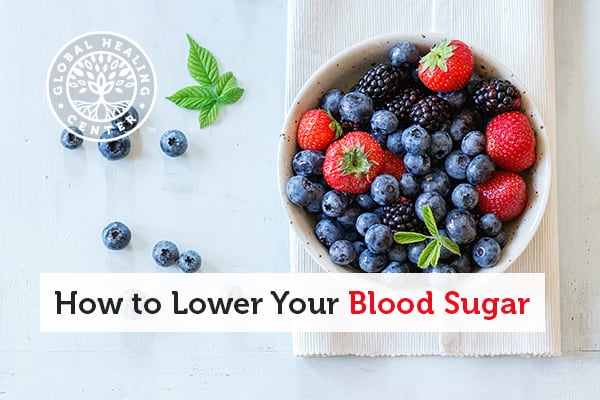
A bowl of fruits. Having a healthy diet can lower your blood sugar.A healthy diet rich in fruits and vegetables is a natural way to lower blood sugar.

If you're looking for natural ways to lower your blood sugar, you're not alone. While diabetes affects some 30.3 million American adults, another 84.1 million have prediabetes. Prediabetes and its close cousin metabolic syndrome can lead to type 2 (adult-onset) diabetes when a person does not make dietary and lifestyle changes.[1] These numbers do not include women with gestational diabetes — glucose intolerance that comes on during pregnancy — or people who suffer from occasional blood-sugar swings. When you add all of those together, you have a huge number of people wondering how to manage the symptoms of high blood sugar.

Did you know that there are natural, non-invasive ways to maintain steady blood sugar? The following tips offer a great place to start. We'll discuss the top foods that lower blood sugar, foods to avoid, and supplements. But first, you should understand the different forms of diabetes.

What Are the Types of Diabetes?

Type 1 Diabetes: In this condition, also called juvenile diabetes, the pancreas produces little or no insulin. Insulin is a hormone that allows glucose to enter cells and make energy. This type is usually diagnosed in children under 18 and is a lifelong condition. Although individuals with type 1 diabetes must take insulin, blood sugar can still be managed through healthful dietary choices and other natural methods.

Type 2 Diabetes: In type 2 or adult-onset diabetes, the body doesn't respond to insulin as well as it should, and over time the pancreas may not produce enough. This form is usually brought on by poor dietary and lifestyle habits. If not managed well through diet changes, increased exercise, and other lifestyle modifications, type 2 diabetes can lead to further health complications.

Prediabetes: People with prediabetes have blood sugar levels that are higher than normal but not in the diabetes range; they are at increased risk of heart disease, stroke, and type 2 diabetes. Adopting a healthy lifestyle can often reverse the course of prediabetes and send people back into the normal range.

Metabolic Syndrome: This condition involves a group of risk factors that can increase the risk of heart disease, diabetes, and stroke — including high blood sugar, high blood pressure, excess fat around the waist, high triglyceride levels, and abnormal cholesterol levels.

How to Lower Your Blood Sugar

Whether you have diabetes or have blood sugar levels you want to control for other reasons, a healthful diet, plenty of exercise, and other healthy-lifestyle measures, as outlined below, are great natural ways to lower blood sugar. Always consult with your healthcare provider if you have a specific condition and want to see how these actions might affect you.

1. Exercise

Staying active can help control your blood sugar. This is not just true for people who are overweight; a 2017 study showed that in normal-weight adults, less physical activity resulted in higher blood sugar.[2] Increasing your physical activity to about 150 minutes a week of moderate exercise (about 30 minutes a day, five days a week) can help. Alternatively, brief spurts of high-intensity exercise — such as 30 seconds of sprinting, followed by walking or slow jogging — can help to lower blood sugar for one to three days, according to one study.[3]

2. Stay Hydrated

Drinking enough liquids is an easy way to help lower blood sugar. When you get dehydrated, it concentrates the sugars in your blood, raising your glucose levels. Avoid soda and sugary drinks, and instead, choose distilled water with a squeeze of lemon. Aim for at least eight glasses of water per day, or up to half your weight in ounces (if you weigh 200 pounds, drink 100 ounces per day). This amount can include other healthy beverages that keep you hydrated while keeping your blood sugar at a normal level. Be sure to not drink more than 27 to 33 ounces in one hour to avoid stressing the kidneys.

3. Lose Weight

Studies show that moderate weight loss can result in lower blood glucose levels in overweight and obese people. As a result, healthcare providers will often recommend losing weight as a treatment strategy for type 2 diabetes.[4] By losing between 5 and 10 percent of their body weight, people with either prediabetes or metabolic syndrome may reduce their risk of developing type 2 diabetes by 58 percent.[5] If you are interested in losing a few pounds, check out our tips for weight loss article.

4. Decrease Stress

When you're under stress, your body creates the hormone cortisol, which stimulates glucose production. This cortisol gets used for energy in your body's fight-or-flight response. If you experience constant or regular stress, it can raise your blood glucose levels. In contrast, when you reduce your stress, your blood sugar levels can normalize. Read up on our techniques for reducing your exposure to environmental stressors. Some suggestions include taking regular time out to relax each day, going for walks outdoors, using aromatherapy, or learning a relaxation technique such as meditation, mindfulness, or yoga.

5. Quit Smoking

The nicotine in cigarettes makes your body more resistant to insulin. When your body does not respond properly to insulin, blood sugar levels go up. Studies show that smokers with diabetes need a larger dose of insulin to control their blood glucose level.[6] By quitting smoking, you can give your body a chance to avoid the damaging effects of high blood sugar — among all the other health benefits you will see from eliminating this bad habit.

6. Get Enough Sleep (But Not Too Much)

Some studies link sleep deprivation with higher blood sugar levels. Interestingly, both sleeping too little or sleeping too much can raise blood glucose. In one study of over 4,800 people with type 2 diabetes, people who slept less than 4.5 hours and more than 8.5 hours a night had higher A1C levels (average blood sugar levels in a 2-3 month period) than those who slept between 6.5 and 7.4 hours a night.[7] For your best bet, aim for close to 8 hours of shut-eye each night.

7. Eat a Healthful Diet

Adopting a healthy diet is one of the most effective ways to reduce your blood sugar levels. Follow cardinal rules like these:

Avoid High-Glycemic Foods

A high-glycemic food is one that makes your blood sugar rise quickly. Included in the list of high-glycemic foods are obvious ones like sweets, candy, and sugar — but other foods are high in the glycemic index as well, such as white bread and pasta, white potatoes, and white rice. Lower glycemic foods include whole grains like whole-wheat bread and brown rice, as well as non-starchy vegetables like leafy greens, broccoli, bell peppers, and the like. (See "Foods that Lower Blood Sugar Levels," below.)

Choose Lean Proteins

Eat plant-based proteins such as beans, legumes, and nuts. A plant-based diet will give you optimal health, reducing your risk for various diseases. While we advocate a raw, vegan diet, we understand that not everyone will adopt this lifestyle. If you’re going to consume animal products, opt for lean protein choices such as poultry and fish instead of red meat.

Divide Your Plate

At meals, divide your plate so that it is half non-starchy vegetables, one-quarter lean protein, and one-quarter high-fiber-containing complex carbohydrates, such as brown rice or quinoa. Most vegetables will fill you up because they are loaded with fiber and water. Lean proteins will also provide a feeling of satiety.

8. Opt for Foods That Lower Blood Sugar Levels

The following foods are lower on the glycemic index than other dietary choices, which means they will not spike your blood sugar and are also healthier in the long term as part of your daily wellness regimen.

Whole Grains

When you eat whole grains, your blood sugar level rises more slowly after a meal than it does after eating refined grains, because the fiber in whole grains slows the digestion of carbohydrates. If you eat white bread or pasta, replace them with whole-grain varieties. Swap out white rice for brown rice, and expand your repertoire of grains by trying quinoa, barley, or teff. For breakfast, try whole oats — not the instant varieties, which may reduce glucose and insulin after a meal.[8]

Leafy Greens

All non-starchy vegetables can help to lower blood sugar, but some studies show that leafy greens are especially helpful and can even reduce the risk of type 2 diabetes.[9] In addition to your favorite salad greens, branch out with spinach, kale, chard, collards, and bok choy.

Avocados

Avocados are very low in sugar and low in carbohydrates, making them excellent at controlling blood sugar spikes. Avocados also contain healthy, monounsaturated fats, which studies show can help improve blood sugar regulation.[10]

Nuts

Filled with healthy fats yet low in carbohydrates, nuts can help keep your blood sugar steady. One study found that tree nuts in particular — such as almonds, cashews, walnuts, and pistachios — improve glycemic control in people with Type 2 diabetes.[11]

Legumes

Legumes — such as lentils, chickpeas, beans, and peas — are foods high in fiber and low in fat. One study found that individuals who ate 3–4 servings of legumes a week had a 35 percent lower risk of developing type 2 diabetes.[12]

Apple Cider Vinegar

The jury is out on apple cider vinegar, which some studies find effective at lowering blood sugar after meals. Yet, other studies have found that apple cider could negatively impact glycemic control.[13]

9. Avoid the Following Foods

There are several foods that you should avoid to maintain a normal, steady blood sugar level.

Sugar

It may seem obvious to avoid sugar, which makes blood glucose spike — yet sugar is hidden in many foods including bacon, ketchup, and fruit juice, and takes a bit of detective work to root out. Become a food label reader and avoid foods and drinks with added sugars.

High-Fat Foods

Eating a diet high in fat, particularly saturated fats, can raise blood sugar levels, according to many studies. Stick to moderate consumption of healthier unsaturated fats, like those found in olive oil and avocados, and keep an eye on your total fat intake to keep your blood sugar in check.[14]

Refined Carbohydrates

Refined carbs such as white bread, pasta, white rice, and potatoes are high-glycemic and can lead to a rapid rise in blood sugar levels. Replace them with whole grains, which are absorbed more slowly into the bloodstream and also contain more fiber, vitamins, and minerals.

Processed Food

Often filled with added sugars and refined carbohydrates, many types of processed food have high glycemic values. Read labels carefully to steer clear of high-fructose corn syrup and other added sugars that make blood glucose spike.

10. Try Supplements That Lower Blood Sugar

Some supplements, including herbs and vitamins, can naturally promote normal blood sugar levels.

Ginseng

A few studies show that American ginseng may help to prevent hyperglycemia and control blood glucose. More studies are needed, but adding a ginseng supplement to a healthy diet may be beneficial for blood sugar control.[15]

Fenugreek

Some studies show that fenugreek may help to keep blood sugar in check. Try taking 50 grams of fenugreek-seed powder twice daily to aid in lowering blood sugar.[16]

Vitamin D

Research into the effects of vitamin D on blood glucose levels is intriguing. Studies show that people who are deficient in vitamin D may have higher blood glucose levels and that taking a vitamin D supplement may help normalize blood glucose levels.[17]

What Causes High Blood Sugar?

Blood sugar can spike if you overeat, eat high-glycemic foods, don't exercise enough, or — if you are diabetic — when you miss taking your diabetes medicine (insulin). High blood sugar can also be a side effect of certain medications. When high blood sugar is a long-term or frequent condition, it can have harmful effects including damage to nerves, blood vessels, and organs.

Symptoms of High Blood Sugar

Keep an eye out for the symptoms of high blood sugar, which can include:

  • Excessive thirst
  • Fatigue
  • Weight loss
  • Blurred vision
  • Frequent urination
  • Headaches

What Is a Normal Blood Sugar Level?

Normal blood sugar levels vary from 80 mg/dl to 200 mg/dl, depending largely on when you last ate. In the morning, before you eat breakfast after having gone the night without eating, it's typically at its lowest. Conversely, right after eating a meal is when it's typically at its highest. Postprandial blood sugar, which is measured about two hours after a meal is also an important indicator. Fasting blood sugar over 100 mg/dl can indicate prediabetes; over 126 mg/dl is considered diabetic. Diabetes can be confirmed with a hemoglobin A1C test that measures your average blood sugar level for the past two to three months. Also, dangerous, hypoglycemia, or low blood sugar, happens when glucose in the blood drops below 70 mg/dl.

Fasting Immediately After Eating 2 Hours After Eating
Normal 80-100 mg/dl 170-200 mg/dl 120-140 mg/dl
Prediabetic 101-125 mg/dl 190-230 mg/dl 140-160 mg/dl
Diabetic 126 mg/dl 220-300 mg/dl 200 mg/dl

How to Check Blood Sugar

Your healthcare provider can check your blood sugar by pricking your finger with a lancing device to get a drop of blood. Apply the drop of blood to the glucose test strip to see your level. Doctors may also do a urine test, but they are not as accurate as a blood test. However, a urine test can accurately measure ketones, a byproduct your body produces when it burns fat for energy. Your body makes ketones when there is not enough insulin to help the body use sugar for energy. Ask your doctor if you need a separate test to measure ketones.

Points to Remember

When it comes to lowering your blood sugar, adopting the basic tenants of a healthy lifestyle will have a significant effect—including eating a healthy diet, staying active, getting enough sleep, avoiding stress, keeping hydrated, quitting smoking, and maintaining a healthy body weight.

Ginseng, fenugreek, and vitamin D are great supplements to normalize blood sugar levels, as are whole grains, leafy greens, avocados, nuts, and legumes. Be sure to also avoid sugar, starchy carbs, and other high-glycemic foods because they will raise your blood sugar.

The post 10 Natural Ways to Lower Blood Sugar appeared first on Dr. Group's Healthy Living Articles.


source https://www.globalhealingcenter.com/natural-health/natural-ways-to-lower-blood-sugar/

Monday, 1 October 2018

Neem Oil & Leaves: 7 Impressive Health Benefits & Uses

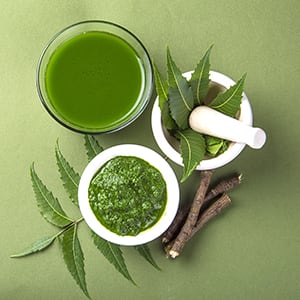
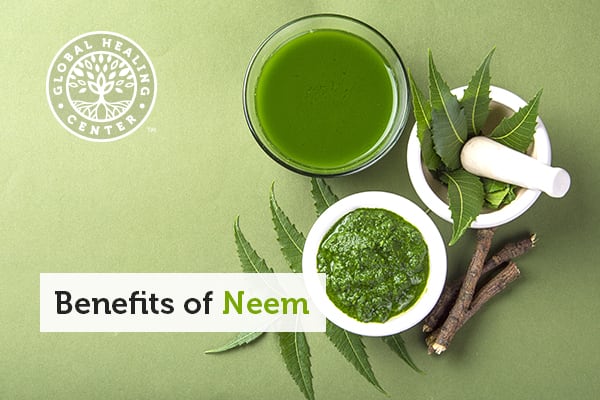
A glass of neem tea. Skin care is one of many benefits of neem.A glass of neem tea. Neem comes in many forms, from oil to tea to honey.

In Indian mythology, neem has a divine origin. When the elixir of immortality was being carried to heaven by divine beings, drops fell on the neem tree, which led to its miraculous healing properties. Found throughout the Indian subcontinent, Ayurvedic medicine practitioners have used the bark, leaves, flowers, seeds, and fruits of the neem tree (Azadirachta indica) for centuries.

Neem comes in many forms, from oil to tea to honey. Neem benefits your skin, hair, and immune system, among other body systems. You can grow it in your flower garden and put it to use as a natural, chemical-free insect repellant and herbicide. Here's everything you need to know about neem oil benefits and uses.

What Is Neem Oil?

Known as the Indian lilac tree, practitioners of Ayurvedic and Siddha medicine throughout India, Sri Lanka, Nepal, Pakistan, and the Maldives have relied on the neem tree throughout the ages to promote health.[1] In Sanskrit, people call the neem tree arista (which means "perfection, happiness, secure") as well as nimba, which means "to give good health." It turns out neem oil contains quercetin, a flavonoid plant pigment that acts as a strong antioxidant with well-documented health properties. Neem oil contains several other active compounds, including nimbi, salannin, azadirachtin, and several fatty acids.

Neem oil is made either by cold-pressing seeds or soaking crushed seed kernels and extracting using hexane. Cold-pressing is ideal since heating removes active compounds, and hexane may add unwanted chemicals. Hexane extraction is usually used to make soaps.

7 Health Benefits of Neem Oil

Various parts of the neem tree, including seeds, leaves, flowers, and bark, contain a host of nutrients and plant compounds with health-enhancing properties. Over the past thousand years, natural health practitioners have prescribed its use for a variety of ailments such as snake bites, malaria, and even constipation.[12] Here are some of the most well-known health-related uses for neem and products made from it.

1. Supports Digestive Health

Neem has long been used to help promote gut health and digestion. In the Ayurvedic tradition, the tree's bark is used to help different stomach ailments, including gas and bloating. Modern research has verified that neem extract has gastroprotective properties: a 2004 study demonstrated that 30-60 mg of the extract, taken twice a day, helped heal stomach ulcers.[3]

2. Aids Cleansing & Detoxification

Neem's support for digestive health extends one step further than just helping your digestion. It turns out the tree's bark may help defend against intestinal invaders. Neem offers significant activity against various types of harmful organisms, especially those that affect the digestive system. By promoting good bacteria (probiotics) while deterring harmful ones, neem supports a healthy and happy gut.

3. Encourages Healthy-Looking Skin

Neem essential oil is also known for its skin-enhancing benefits. Practitioners of Siddha medicine, a traditional practice from Southern India and Sri Lanka, added neem oil to herbal concoctions or made neem soap to help skin conditions such as eczema, psoriasis, ringworm and even leprosy.[4] You may find neem oil listed as an ingredient in many natural cosmetic, soap, and anti-aging products. Neem's fatty acids, vitamins, and powerful antioxidants are the perfect trifecta to help rejuvenate the skin by diminishing wrinkles and fine lines.[5]

4. Promotes Healthier Hair

Neem's benefits also extend to your hair, helping to make it stronger and fuller. Using a shampoo with neem oil helps improve scalp health through its anti-fungal, anti-bacterial, and anti-inflammatory properties. You'll see healthier hair follicles as a result. Those same properties curb dandruff by providing nourishment across the entire scalp and deter Candida, a fungus known to cause those pesky skin flakes.[6] Neem can also help you rid yourself of every parent's nightmare: lice. Topical lice products with neem seed extracts have been shown to eradicate the adult lice in a single treatment — but not the nits (eggs), which you will still have to remove manually.[7]

5. Boosts Oral Health

Before you could buy toothbrushes on store shelves, Ayurvedic practitioners recommended their patients use neem twigs to clean teeth, relieve painful toothaches, and prevent gum disease. Perhaps it's no surprise to learn that, today, neem bark is an active ingredient in several natural oral health products, from toothpaste to mouthwash. Neem's anti-bacterial properties help limit bacterial growth in the mouth, reducing the risk of swollen gums (gingivitis), bad breath (halitosis), and even more serious dental issues like plaque buildup and tooth decay.[8]

6. May Act as a Natural Birth Control

Research suggests that neem may have anti-fertility effects, acting as a natural birth control. A study found that neem leaf extract has spermicidal (sperm-killing) action, reducing human sperm motility to near zero at a 3mg dose.[9] Studies showed that applying neem oil intravaginally before sex prevented conception in rhesus monkeys, rats, and rabbits.[10] Neem oil may prevent the implantation of a fertilized egg in humans, as well as lab animals. The anti-conception effects were completely reversed after its use stopped in studies.[10] We don't recommend relying on neem for birth control; always consult your healthcare provider.

7. Acts as an Antioxidant

Neem's impressive health-related properties don't stop there. Scientists have found the strong antioxidant plant pigment called quercetin in neem.[11] This and other compounds act as free radical scavengers, picking up harmful reactive oxygen species (ROS) throughout the body, and therefore reducing the risk of disease. Neem also reduced premature cell death (apoptosis) of healthy cells, while helping to destroy harmful cells.[11] Researchers have found neem can be an effective tool against some serious diseases.[2] It's easy to see why neem is known as a "wonder tree."

Forms of Neem

Different forms of neem supplements and applications are available, ranging from:

  • Neem Bark: Neem bark is often ground to a powder. This neem powder is then used to protect the gastrointestinal tract, to repel harmful intestinal invaders, as well as an insecticide.
  • Neem Leaves: Neem leaves can be used as a poultice or steeped into a tea to reduce stomach upset or fever, and to help promote heart health.
  • Neem Oil: Neem oil is made from the seeds of the neem tree. It can be used to help promote clear, healthy skin, for gut health, as a birth control, and for natural pest control. You can buy neem oil spray or straight oil that can be diluted as needed.
  • Neem Tea: Neem tea is made from whole or ground leaves. It is bitter on its own, so is usually combined with blends of other herbs and spices, like green tea, licorice root, fennel seed, or orange peel.
  • Neem Honey: Neem honey is collected from beehives that are placed near groves of neem trees. The honey can be used to help settle the stomach. It also has strong antibacterial and anti-inflammatory properties

Neem Oil Uses

There are many ways to use neem, both health-oriented and otherwise. Neem has so many health-promoting properties that it's commonly used in personal hygiene, from improving your breath to reducing wrinkles. In addition to helping your health, neem can be used in your garden and for your pets!

Skin Care

To use neem's wrinkle-smoothing and skin-health-boosting properties, look for complexion bars, lotions, facial oils, body polishes, body washes, and facial cleansers. Because of neem's therapeutic properties, you can also buy ointments, chapsticks for your lips, or just pure neem oil for various uses. Neem oil is an excellent natural remedy for psoriasis, eczema, and dry skin.

How to Use: To soothe acne, dab undiluted neem oil directly to the spot using a cotton swab. For larger patches of dry skin from psoriasis or eczema, add ten drops of neem oil into a carrier like almond, jojoba, or coconut oil in a glass storage bottle. If you don't like the scent, you can add a few drops of lavender or your favorite essential oil. Once mixed, you can apply some to your hands, then rub over the affected area. If you prefer a less-oily option, add the neem oil to aloe vera gel instead. Don't apply pure neem oil if you have sensitive skin, as it can irritate. Instead, mix pure neem oil with any of the carriers mentioned above or aloe vera to dilute its concentration down to 3 to 25 percent.

Oral Care

Because of neem's ability to deter harmful organisms, people have used it for oral health for centuries. While we don't use neem twigs the way they used to in ancient India, today you can find neem-containing mouthwash or toothpaste, as well as tooth and gum powder.

How to Use: To spiff up your oral care routine try these tricks. Spread a dab of neem oil along the length of your dental floss and floss as you normally do. This gets the neem into your gums and in crevices that you may not get to with your toothbrush alone. You can also add a couple of drops of neem oil to your toothpaste, or rub a drop or two along your gum line.

Hair Care

Neem promotes healthy hair and scalp, reducing dandruff and keeping your locks lustrous. Products for hair include dandruff-fighting shampoo and conditioner, and you can apply neem oil — diluted in a carrier like almond oil — directly on the scalp for dandruff or lice. Because neem is gentle for children, there are also baby care shampoos and care items.

How to Use: If you want to use your own hair care products but get the benefits of neem, add ten drops of neem oil into three tablespoons of your favorite shampoo or lotion. Pure neem oil has a strong garlicky odor, which is why many products combine it with other oils, like lavender oil or eucalyptus oil.

Gardening

You can safely use neem oil on food crops to keep aphids, mites and other plant-killing insects at bay. It can also protect you from unwanted attention from ants, mosquitoes, and other flying pests while gardening, or when outside. Some use neem oil to keep bed bugs away from their home. The oil also has anti-fungal properties, resisting mildew and root rot in plants.[12]

How to Use: You can create homemade pesticide. In a spray bottle, add one teaspoon high-quality neem oil to a quart of water. Add in 1/8 teaspoon liquid soap to help the mixture stick to plants and surfaces. You can spray this concoction directly onto the leaves of the plant. Consult a local natural gardening center to help determine how much and how often to use the spray.

Pets

Neem's insecticidal properties can also help keep your pets healthy. When applied topically (to the skin), the oil can help dogs avoid the vexing bites of fleas, midges, mites and other biting insects — the very ones that may carry worms or disease. Always dilute the oil to prevent irritation. Neem oil, when diluted, can soothe itchy, inflamed skin.

Neem oil should never be taken internally by pets since ingestion can be dangerous for them. There are some neem products available at specialty veterinary stores, but you can easily make neem products at home. Neem can interfere with certain medications, so discuss your use of this supplement with your veterinarian to make sure it's safe before using it on your pet.

How to Use: To make an insecticidal shampoo, add 25 mL of high-quality neem oil to 400 mL of your favorite pet shampoo. Alternatively, if you prefer a daily topical spray, you can add 1 cup of neem leaf to 1 liter of water. After simmering for five minutes, add the water to a spray bottle to use as needed.

Side Effects & Safety of Neem

For the most part, neem is safe and well-tolerated in adults when used externally. People with sensitive skin should always dilute with a carrier oil. Internal use of neem oil may cause loose stools or vomiting, so take caution before consuming it internally. Based on studies on animals, a safe dose of 0.2 mL/kg neem oil has been suggested for adults.[13] You can safely ingest neem leaf, flower, or fruit extract in moderate doses, but always choose the purest, highest-quality supplements or oils because some may otherwise be contaminated with toxins.

Neem may temporarily reduce male and female fertility, so avoid its use if you are actively trying to get pregnant or might try to conceive within a few months. The studies do indicate that its anti-fertility effects are quickly reversible after its use stops.[10]

Some studies suggest that excessive amounts of neem oil might be toxic and negatively affect the brain, kidney, and liver. Neem is known to interact with a variety of different drugs, including common diabetes medications. As with all supplements and medications, talk to your healthcare provider before taking neem to make sure it's appropriate for you.

Points to Remember

There's good reason why neem has a long history of use by natural medicine practitioners. It offers many impressive health benefits including aiding cleansing and detoxification, promoting digestive health, acting as a natural birth control, and deterring harmful organisms in the body as well as the home and garden.

Neem contains quercetin, a strong antioxidant, as well as other plant pigments, fatty acids, and nutrients that work together for impressive health benefits that are increasingly backed up by science.

Neem is generally safe for use, but may interact with some medications, and has anti-fertility effects, so should not be used if you are trying to conceive a child. Consult with a healthcare professional to know how much neem is right for you.

The post Neem Oil & Leaves: 7 Impressive Health Benefits & Uses appeared first on Dr. Group's Healthy Living Articles.


source https://www.globalhealingcenter.com/natural-health/neem-oil/